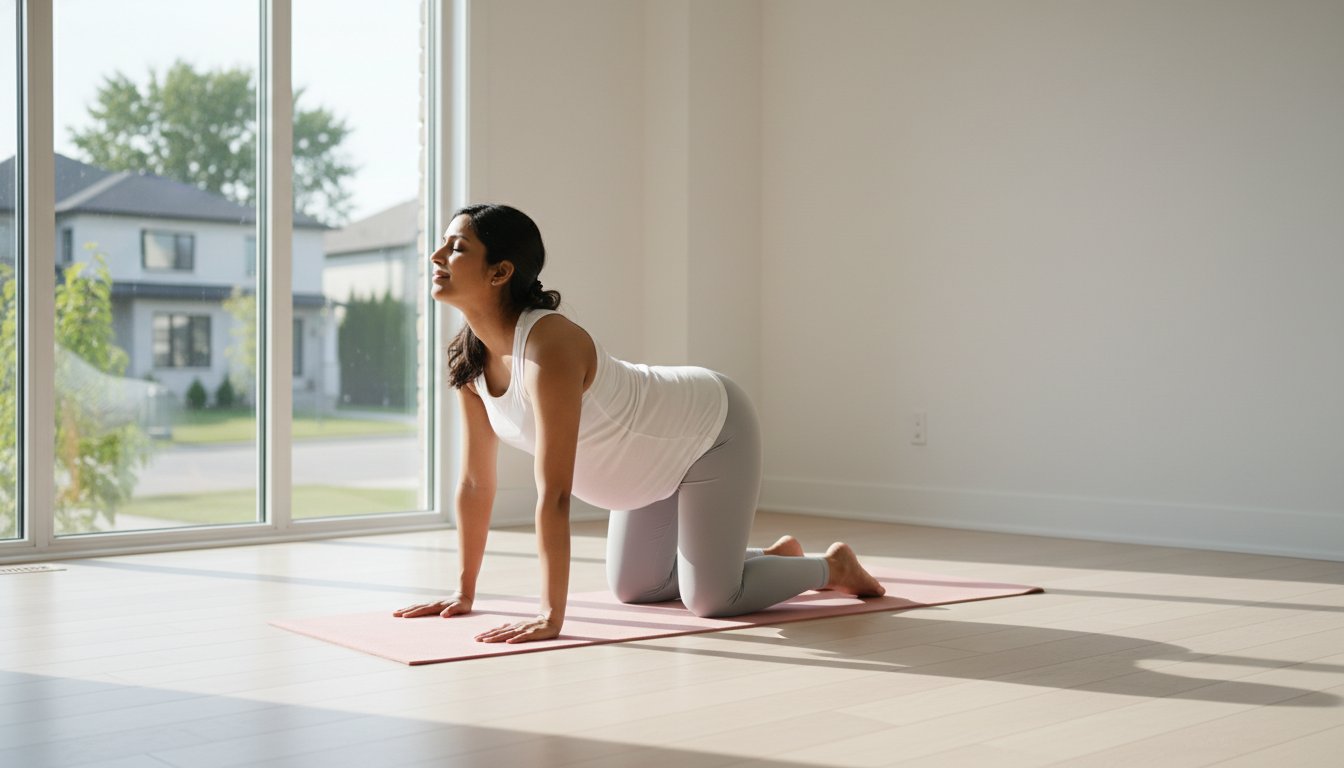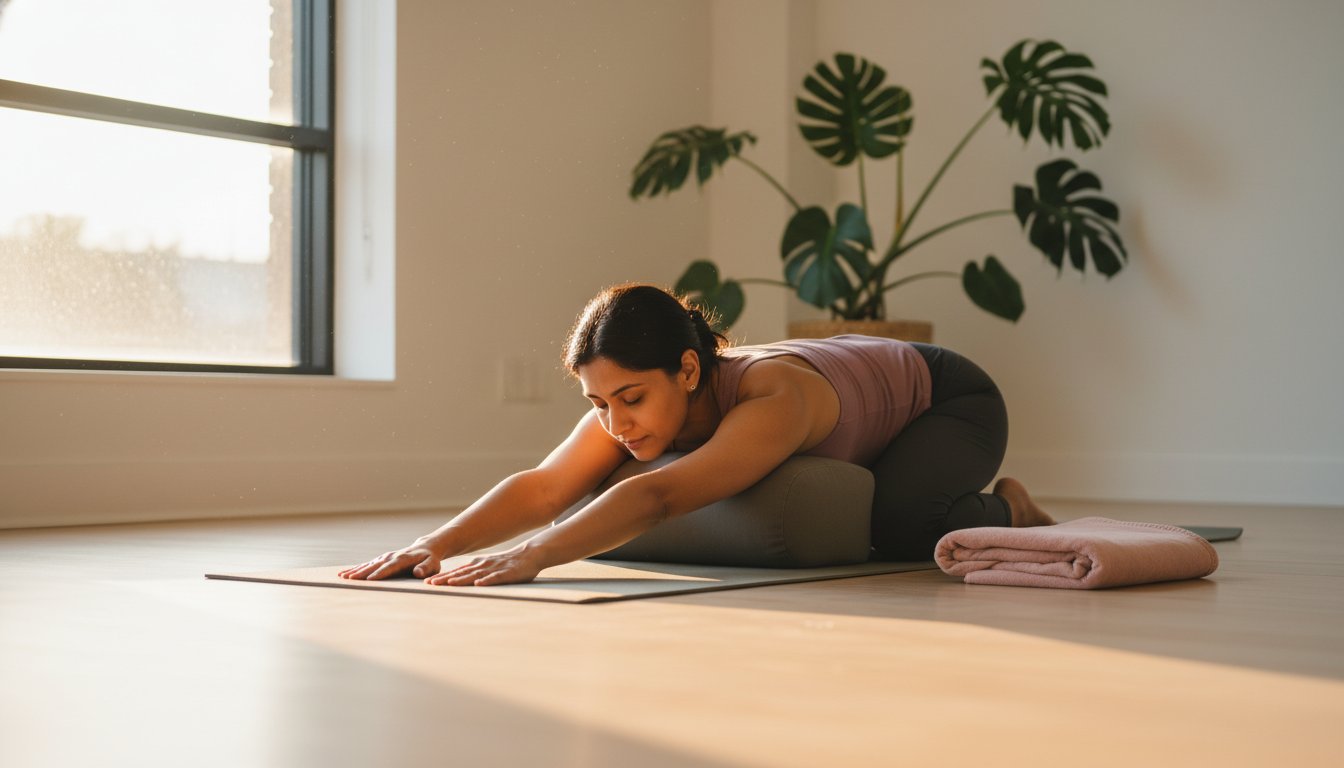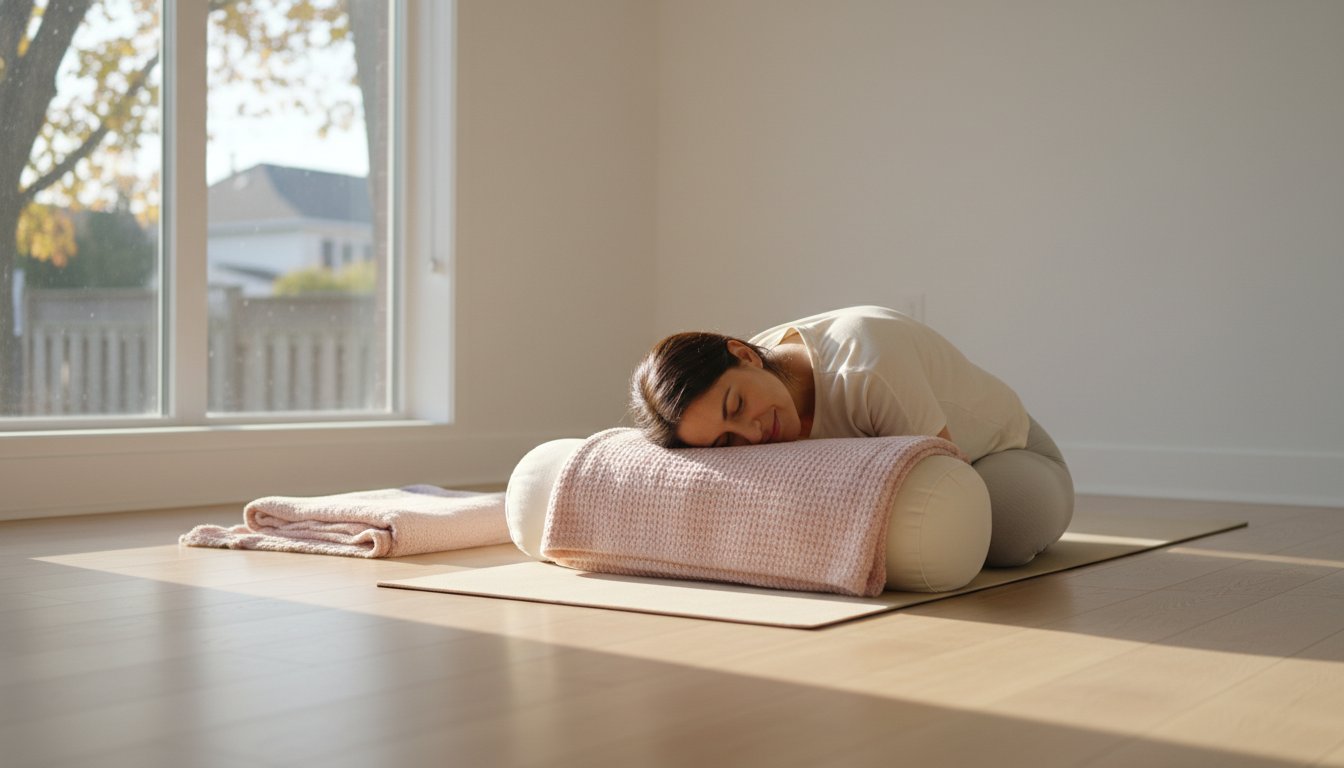
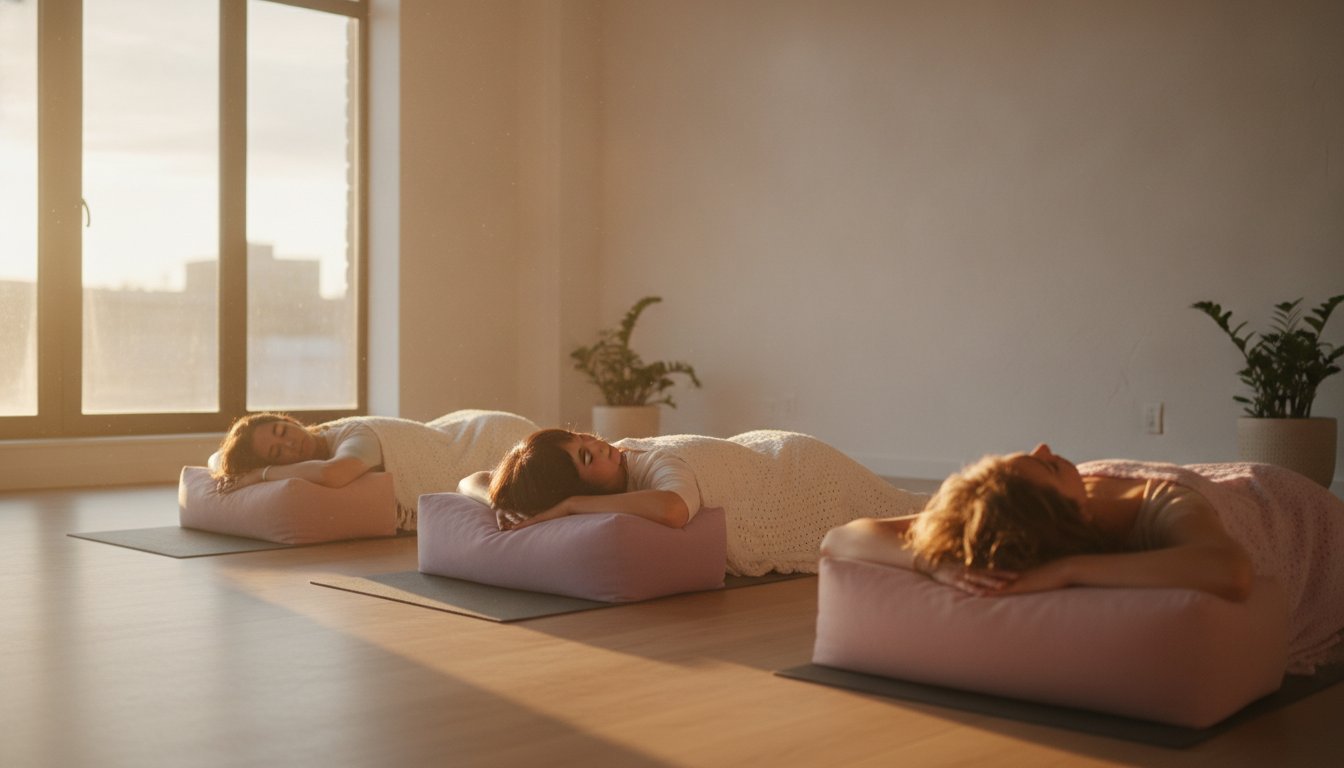
What if the high-energy, generic fitness classes you've been attending are actually contributing to your exhaustion rather than healing your hormones? It's a common realization for many women who feel increasingly disconnected from their bodies during major life transitions, especially when seeking yoga for women's health issues that truly understands their needs. You likely feel that chronic stress is impacting your physical health in ways that a standard gym routine simply cannot address; you deserve a sanctuary where your unique physiology is the primary focus.
By embracing a more intentional approach, you will discover how specialized practices can harmonize your hormones, strengthen your pelvic floor, and restore your nervous system. This article explores the restorative power of gentle movement, the importance of emotional safety in healing, and the specific ways that a nurturing practice can build lasting physical resilience. We will guide you through a rhythmic, supportive journey that honours your body's natural cycles and restores your sense of internal balance.
Key Takeaways
- Learn how therapeutic yoga for women's health issues moves beyond simple exercise to specifically support your endocrine and reproductive systems.
- Understand the vital link between your nervous system and hormonal health to help lower cortisol and restore your natural metabolic rhythms.
- Explore why softening and releasing the pelvic floor is often more essential for healing chronic pain than traditional strengthening exercises.
- Discover how to regulate your nervous system as the centre of your well-being, allowing you to release stored stress and foster deep emotional safety.
- Realize the healing benefits of a private sanctuary where your journey is honoured through personalized care away from the distractions of a public setting.
Understanding Yoga for Women's Health Issues: More Than Just Movement
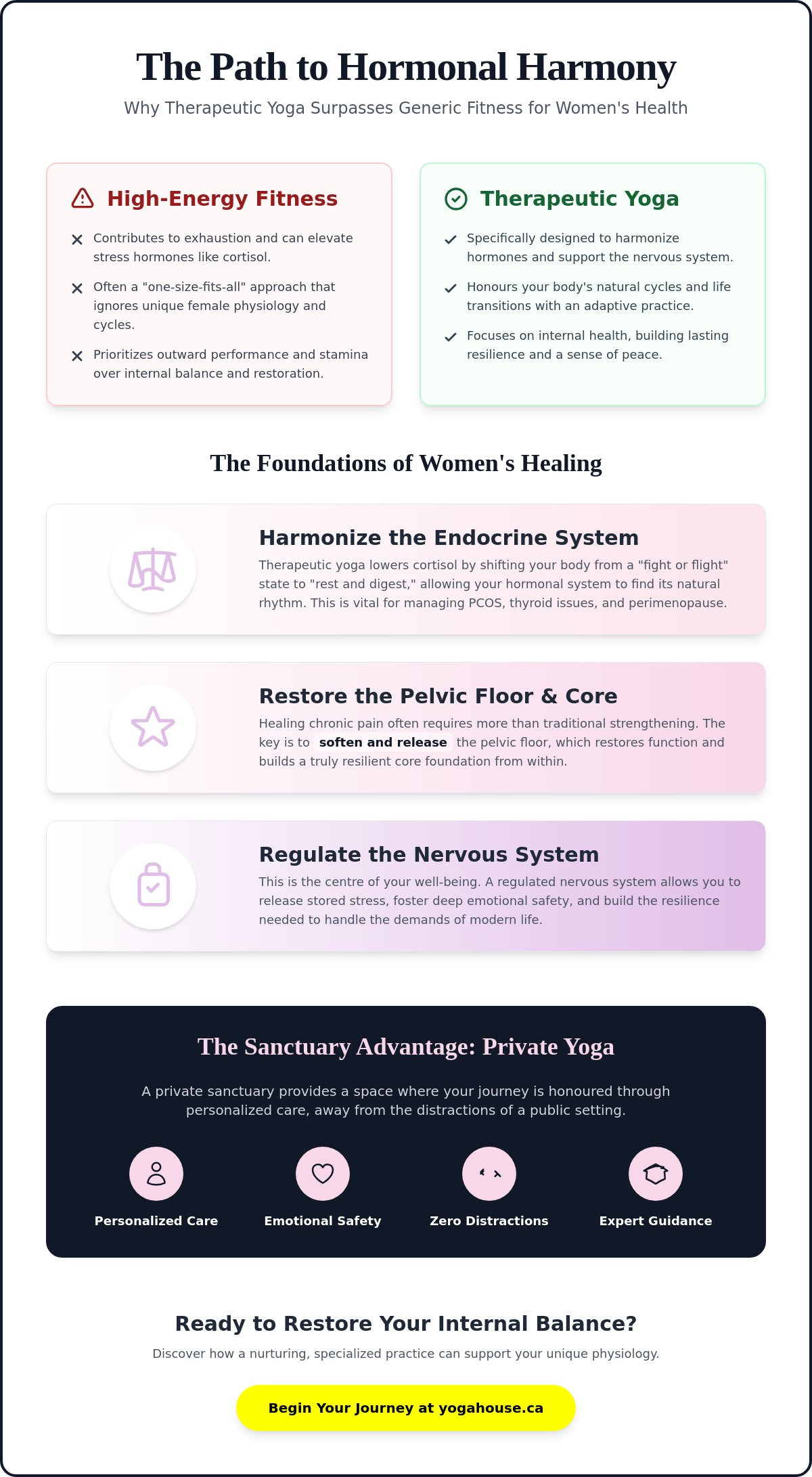
When you step onto your mat, you aren't just engaging in a series of physical postures; you're entering a space of profound self-care. For many, the initial draw to a studio is the desire for fitness, yet yoga for women's health issues offers something far more intentional. It's a specialized practice designed to support the delicate balance of the female endocrine and reproductive systems. Unlike high-intensity athletic yoga, which often emphasizes outward performance and stamina, therapeutic yoga focuses on your internal health. It creates a bridge between your physical body and your hormonal rhythms, ensuring that every movement serves a restorative purpose.
This shift from "doing" to "being" is essential for true healing. Understanding the history of yoga for women reveals how the practice has evolved from its traditional roots into a modern sanctuary for female wellness. By honouring your natural cycles and life transitions, you begin to realize that your body isn't a machine to be pushed, but a sanctuary to be nurtured. This perspective allows you to move with your breath rather than against it, fostering a sense of peace that resonates long after you leave your mat.
The Holistic Approach to Female Wellness
Physical poses are merely one piece of the healing puzzle. To truly address yoga for women's health issues, we must integrate breathwork, meditation, and restorative rest. These elements work together to regulate the nervous system and lower cortisol levels, which is vital for hormonal stability. By creating a centre of calm within yourself, you build the resilience needed to handle the demands of modern life. It's about finding quietude in a world that often feels too loud, allowing your body the time it needs to repair and recalibrate naturally.
Common Health Transitions Supported by Yoga
The female body is dynamic, constantly moving through different seasons of life. Whether you're focused on fertility, moving through the journey of pregnancy, recovering in the postpartum period, or navigating the shifts of menopause, your needs will change. Specialized yoga adapts to these transitions with empathy and expert guidance. It provides a safe environment to explore these changes, offering specific modifications that respect your physical boundaries while strengthening your emotional foundation. You don't have to navigate these shifts alone; a guided, nurturing practice ensures you feel seen and supported during every stage of your life's rhythm.
Harmonizing the Endocrine System and Hormonal Health
Your hormones are the quiet messengers of your body; they dictate everything from your daily energy levels to your long-term emotional well-being. When we explore the benefits of yoga for women's health issues, we're looking at a profound conversation between your nervous system and your endocrine glands. If your body feels constantly under siege by modern stressors, it prioritizes immediate survival over long-term reproductive or metabolic health. By consciously slowing your breath and lowering your heart rate, you signal to your internal systems that the emergency has passed. This intentional pause allows your body to redirect its resources toward healing and balance.
This grounding practice is especially supportive for women navigating specific challenges such as PCOS, thyroid irregularities, or the natural but often turbulent transition into perimenopause. Rather than forcing the body into rigid shapes, we use movement to invite a sense of ease. This approach doesn't just address symptoms; it nurtures the root of your physiological stability. It's a way of reclaiming your internal landscape, ensuring your hormones can function in a state of harmony rather than conflict. You might find that a personalized Women's Health Yoga session provides the quiet sanctuary you need to begin this restorative journey.
Cortisol Regulation and the Stress Response
Chronic stress keeps the body flooded with cortisol, which can disrupt the delicate dance of estrogen and progesterone. When you step into a restorative space, you encourage the transition from a "fight or flight" response to a "rest and digest" state. This shift is vital for hormonal recovery and overall vitality. Recent research on yoga for fatigue and inflammation suggests that these practices can significantly soothe the body's internal environment. Gentle, intentional movement helps to quiet the body's overactive stress responses, effectively reducing systemic inflammation.
Support for Fertility and Reproductive Cycles
Encouraging vitality within the reproductive system often begins with improving circulation. Specific, gentle postures are used to enhance blood flow to the pelvic region, ensuring that your organs are well-nourished and supported. There is also a beautiful emotional component to this work, often referred to as "womb healing," which allows you to reconnect with your creative centre through mindful awareness. If you're currently on a conception journey, you might find it helpful to explore yoga for fertility support as a way to maintain your mind-body balance. Taking this time for yourself is a powerful act of self-compassion that honours your body's natural rhythms.
Restoring the Pelvic Floor and Core Foundation
When we speak of the "core," we often think of strength and rigidity, yet true core health is rooted in adaptability and ease. For many women, the pelvic floor is a place where tension is held unconsciously, leading to a host of physical discomforts. A common misconception is that pelvic floor health is solely about strengthening through repetitive contractions. However, a muscle that's always "on" can become hypertonic and fatigued. Within the framework of yoga for women's health issues, we prioritize the art of softening and releasing. This gentle approach creates a safe foundation for recovery, allowing the body to let go of chronic patterns of holding that often contribute to pelvic pain.
This restoration begins with the breath. There's a beautiful, rhythmic connection between your diaphragm and your pelvic floor; they move together like a synchronized piston. As you inhale, your diaphragm descends and your pelvic floor should naturally expand and soften downward. As you exhale, both gently lift. By reconnecting with this internal rhythm, you provide your pelvic organs with a subtle, nurturing massage. This practice restores the natural elasticity of the tissues, which is essential for long-term stability, peace, and physical comfort.
Yoga for Pelvic Floor Recovery and Pain Relief
If you're living with conditions like prolapse, incontinence, or chronic pelvic pain, the idea of movement might feel daunting. Specialized yoga offers gentle poses that encourage pelvic opening and the release of deep-seated tension. By using gravity and mindful awareness, you can begin to soothe the nervous system and reduce the signals of pain. For those who feel they need more specific guidance, it's helpful to read about yoga for pelvic floor dysfunction to understand how a tailored practice can support your unique recovery journey.
Postpartum and Menopause: The Pelvic Connection
Life's major transitions, such as the postpartum period or the onset of menopause, bring significant changes to your core foundation. After childbirth, the body requires a patient and methodical approach to rebuilding; during menopause, hormonal shifts can affect the integrity of the pelvic tissues. Using specialized props, such as bolsters, blocks, and blankets, ensures your practice remains safe and supportive. These tools allow you to find depth without strain, honouring your body's current capacity. Perimenopausal readers might also find comfort in viewing yoga for menopause relief as a way to navigate these shifts with grace and physical resilience.
Nervous System Regulation: The Foundation of Women's Healing
Your nervous system acts as the invisible command centre for every experience your body undergoes. While previous sections explored hormonal health and the pelvic foundation, neither can truly thrive if your internal wiring is stuck in a state of high alert. For many, trauma and chronic stress become "stored" in the female body; they manifest as physical tension, digestive issues, or an inability to truly relax. When we approach yoga for women's health issues, we must first address this biological baseline. A quiet, intentional pause isn't a luxury you indulge in when time permits; it's a biological necessity for cellular repair, immune function, and emotional regulation. Without this reset, the body remains in a state of depletion, unable to fully realize its capacity for healing.
This intentional approach focuses on lowering the heart rate and inviting a sense of safety back into the tissues. By prioritizing unhurried movement and deep rest, you allow your body to exit the constant loop of "fight or flight." This isn't about athletic achievement; it's about creating an internal environment where your organs can function optimally and your mind can find a sense of grounding. It's a practice of returning home to yourself, ensuring that your foundation is stable, peaceful, and resilient before you attempt to build upon it.
The Power of Sound Healing and Meditation
Within a nurturing sanctuary, the practice often moves beyond physical movement into the restorative world of sound. The vibrations from crystal bowls, soft chimes, or gentle sound baths don't just reach your ears; they resonate through your entire being. This sensory experience facilitates deep cellular relaxation, allowing you to move from "doing" yoga to simply "being" in a state of restorative vibration. It's a profound tool for emotional regulation that helps to wash away the static of a busy life, providing a grounding, peaceful, and unhurried atmosphere that traditional fitness environments often lack.
Resetting the Vagus Nerve for Internal Balance
At the heart of this regulation is the Vagus nerve, the longest nerve of your autonomic nervous system that connects the brain to the gut and heart. By utilizing simple, rhythmic breathing techniques, you send immediate safety signals to your brain, effectively "turning off" the alarm bells of the sympathetic nervous system. This reset is essential for improving your sleep quality, restoring healthy digestion, and lowering your heart rate. If you're ready to explore these techniques in depth, you may find our guide on nervous system regulation yoga to be a helpful companion on your journey toward stability. Restoring this internal balance is the first step toward true physical resilience and a sense of safety within your own skin. To experience this profound shift firsthand, consider booking a Private Yoga Session where your needs are held with the utmost care and attention.
The Sanctuary Advantage: Why Private Yoga Matters for Health
Large, co-ed gym environments often prioritize outward performance and high-energy music over internal well-being. When you are navigating yoga for women's health issues, the intensity of a general fitness class can feel counterproductive; it may even trigger a stress response rather than soothe your system. You might feel a lack of specialized support when trying to manage chronic pain, hormonal shifts, or pelvic discomfort in a room full of strangers. A private or semi-private setting allows for the quietude and depth needed to discuss sensitive health concerns without the pressure of keeping up with a crowd. It's about moving away from the "one size fits all" approach toward a practice that honours your unique physiology and current energy levels.
In a women-only sanctuary, emotional safety becomes the foundation for physical healing. This protected space allows you to let down your guard, breathe deeply, and reconnect with your body in a way that feels safe and supported. By removing the distractions of a busy public studio, you can focus entirely on your internal rhythms. This environment is designed to lower your heart rate and settle your mind, providing a gentle atmosphere where you can explore your health journey with unhurried patience and grace.
Personalized Care in a Nurturing Environment
Receiving 1-on-1 attention is particularly beneficial when dealing with complex issues such as diastasis recti or pelvic organ prolapse. These conditions require a nuanced understanding of movement that general classes simply cannot provide. In a private setting, your instructor can tailor every pose to your specific needs, ensuring that each breath and movement supports your recovery rather than causing strain. Building a relationship of trust and empathy with a specialized guide allows you to feel seen and heard. Our boutique studio in Vaughan serves as a true escape from daily stressors, offering a peaceful, grounding, and intentional space where your wellness is the sole priority.
Taking the First Step Toward Your Wellness Sanctuary
Choosing the right path for your healing journey depends on your current life transition and personal preferences. You might find that a Private Yoga Session offers the intensive, personalized care you need to address specific health concerns, while a Semi-Private Yoga Session provides a sense of community within a small, intimate group. It's essential to choose a guide who specializes in women's health and understands the delicate balance of the female body. This is a gentle invitation to prioritize your self-care journey today. By taking this meaningful pause, you allow yourself to realize a state of internal balance, physical resilience, and lasting peace.
Embracing Your Journey to Restorative Balance
Healing is not a destination to be reached through force; it's a rhythmic return to your natural state of ease. By shifting your perspective from outward performance to internal harmony, you've learned how specialized movement can stabilize your hormones and restore your pelvic foundation. Embracing yoga for women's health issues means honouring your body's unique cycles and providing your nervous system with the quietude it biologically requires to repair. This journey is most profound when supported by a guide who understands the nuances of prenatal, postpartum, and hormonal transitions.
At our intimate sanctuary in Vaughan, Ontario, we combine specialized physical guidance with the soothing vibrations of sound healing to ensure you feel deeply seen. Whether you're seeking to regulate your stress response or rebuild your physical resilience, your path to wellness deserves a space of absolute safety and empathy. We invite you to book your private women's wellness session at Yoga House Canada and begin your transformation in a space designed intentionally for you. You possess the innate wisdom to heal, and we're here to support you every step of the way.
Frequently Asked Questions
Is yoga safe if I have diagnosed pelvic floor dysfunction?
Yes, yoga is safe and often highly beneficial for pelvic floor dysfunction when practiced with specialized modifications. Instead of high-impact movements, we focus on poses that encourage lengthening and softening the pelvic tissues to alleviate chronic tension. It's always wise to consult with your pelvic health physiotherapist first; however, a nurturing practice can provide a gentle framework for recovery and physical ease.
Can yoga really help balance my hormones during perimenopause?
Yoga helps balance hormones during perimenopause by calming the nervous system and lowering cortisol levels. When your body exits "fight or flight" mode, it can better regulate the production of estrogen and progesterone. This shift helps manage common symptoms like hot flashes, mood swings, and sleep disruptions, allowing you to navigate this life transition with greater physical resilience and emotional peace.
What is the difference between general yoga and women's health yoga?
General yoga often focuses on athletic stamina and standardized poses, whereas yoga for women's health issues is a therapeutic practice tailored to the female endocrine and reproductive systems. It prioritizes internal health, nervous system regulation, and hormonal balance over outward performance. This specialized approach honours your natural cycles and life transitions, providing a sanctuary where every movement is intentional and restorative.
How often should I practice yoga to see improvements in my health issues?
Consistency is more important than intensity when you're seeking to restore your health. Practicing even once or twice a week in a private or semi-private setting can lead to noticeable improvements in your sleep, digestion, and stress levels. Over time, these unhurried sessions help you build a deeper connection with your body, allowing you to realize a sense of lasting stability and internal calm.
Do I need prior yoga experience to start a private wellness session?
You don't need any prior yoga experience to begin a private wellness session. These sessions are designed to meet you exactly where you are, whether you're a seasoned practitioner or completely new to the mat. Your instructor will guide you with patience and expertise, ensuring every movement feels safe and supportive for your specific health needs and your body's current capacity.
Can sound healing be combined with yoga for better health results?
Sound healing is a beautiful complement to yoga that deepens the restorative experience. The vibrations from crystal bowls or chimes help to regulate the Vagus nerve and facilitate cellular relaxation, making it easier for your body to enter a healing state. Combining these practices helps wash away mental static and emotional tension, leading to better results for sleep and overall nervous system support.
How does yoga help with stress-related hormonal issues like high cortisol?
Yoga addresses high cortisol by utilizing slow, rhythmic breathing and grounding postures that signal safety to the brain. This biological "reset" shifts your body into the "rest and digest" state, which is essential for hormonal health. By lowering your heart rate and reducing systemic inflammation, you create an environment where your endocrine system can function without the constant interference of chronic stress.
What should I look for in a women's health yoga instructor in Vaughan?
Look for an instructor who holds specialized credentials in prenatal, postpartum, or therapeutic yoga and demonstrates a deep understanding of female physiology. It's important to find a guide who prioritizes emotional safety and personal connection in a quiet, private sanctuary. A qualified specialist in Vaughan will offer a nurturing, empathetic approach that feels like a partnership in your long-term wellness journey.