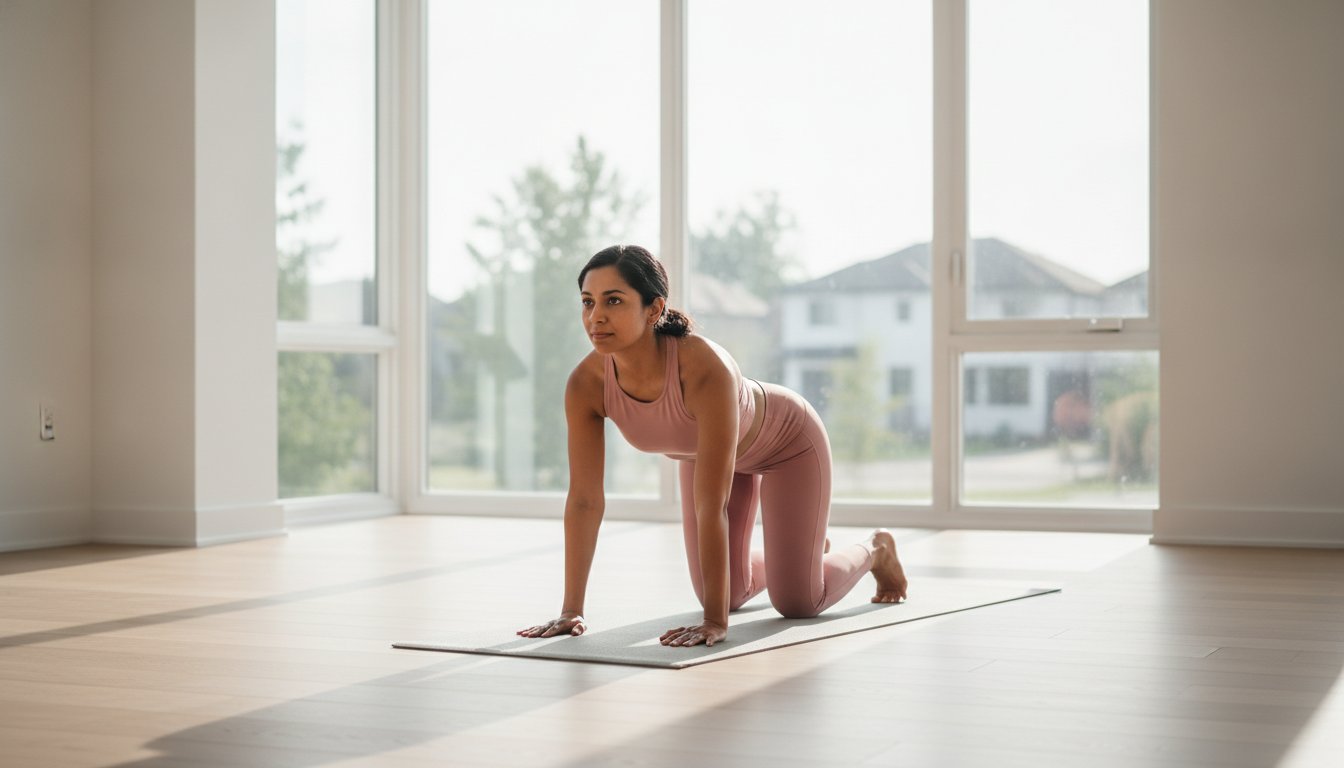
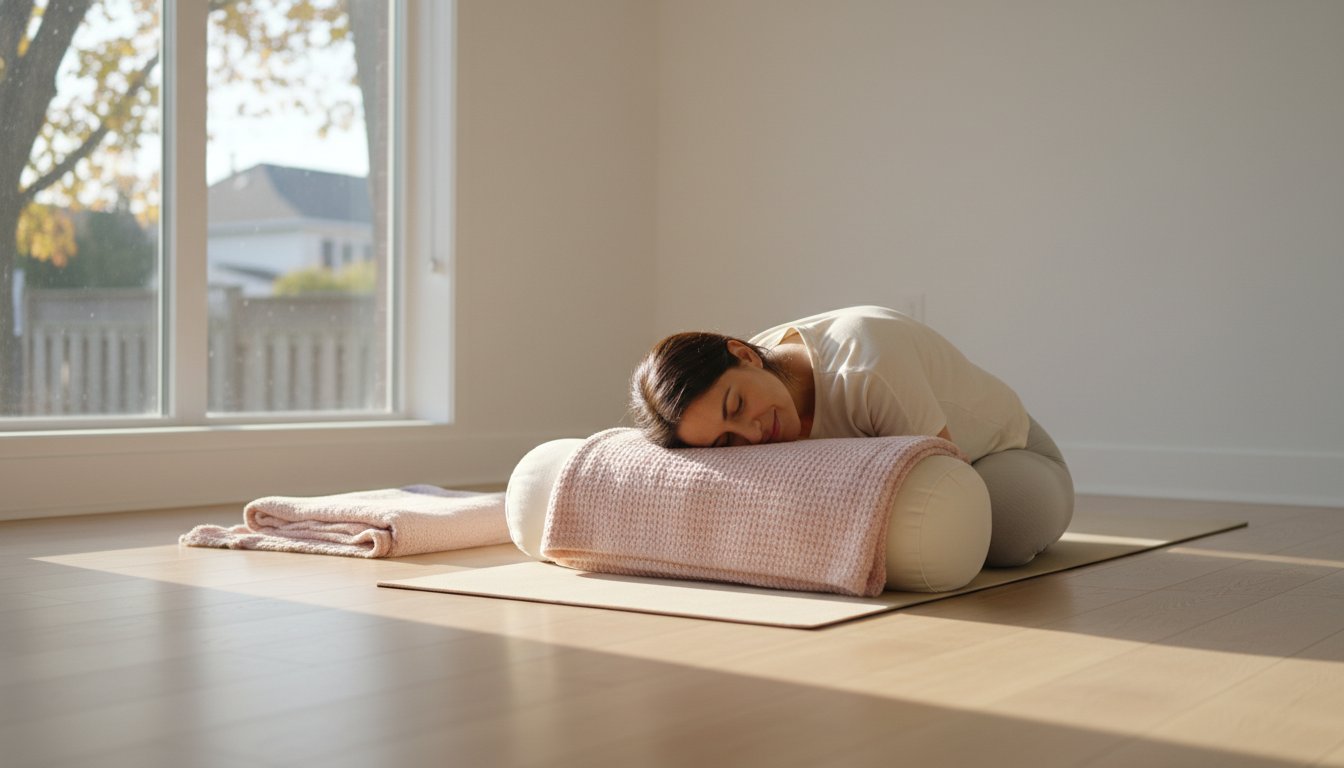
Did you know that nearly 20% of new mothers in Canada navigate the heavy, unyielding weight of maternal anxiety disorders? It's that exhausting state of hyper-vigilance where your jaw is perpetually clenched, your shoulders are hiked to your ears, and your heart races even while your baby sleeps soundly. If you feel like your nervous system has forgotten how to find the "off" switch, you're certainly not alone. Exploring yoga for postpartum anxiety isn't just about physical exercise; it's a somatic approach to reclaiming a sense of internal safety during the delicate fourth trimester.
We understand the quiet guilt that often accompanies self-care, yet your well-being is the very foundation of your family's rhythm. This guide will show you how specialized, restorative yoga can soothe your overactive nervous system and provide a true sanctuary for your mental health. We'll look at how gentle movement, intentional breathwork, and grounding poses can lower your heart rate, release tension in the pelvic floor, and offer you practical tools to manage anxiety spikes right at home.
Key Takeaways
- Understand why postpartum anxiety creates a "wired but tired" state and how gentle movement helps your brain signal that it is safe to rest.
- Discover the somatic connection between your pelvic floor and jaw, and how specific breathwork techniques can immediately lower your heart rate.
- Learn why restorative practices are more effective than high-intensity workouts for regulating your nervous system during the first six months of motherhood.
- Explore the benefits of specialized yoga for postpartum anxiety within a dedicated sanctuary, allowing you to step away from the distractions and mental load of home life.
- See how an intimate, semi-private setting combined with sound healing can deepen your recovery and provide the emotional safety you deserve.
What is Postpartum Anxiety and How Does Yoga Help?
Postpartum anxiety (PPA) is often misunderstood as simple worry, yet for many new mothers, it manifests as a profound state of heightened autonomic arousal. Your body feels as though it's permanently stuck in "on" mode; it's a physiological response where the nervous system remains on high alert for perceived threats. While Postpartum depression is frequently discussed, anxiety can be just as debilitating, creating a persistent "wired but tired" sensation. You're physically exhausted, yet your mind refuses to settle, even during those rare windows when your baby is sleeping and the house is finally quiet.
Practising yoga for postpartum anxiety offers a "bottom-up" approach to healing. Instead of trying to think your way out of a panic attack, you use the body to communicate safety to the brain. This is where the distinction between fitness-based yoga and therapeutic yoga becomes vital. While a standard fitness-focused class might prioritize calories or core strength, therapeutic yoga focuses on nervous system regulation, internal stability, and emotional release. It's about finding a rhythm that honours your current energy levels rather than pushing past them.
The Biological Shift: Why Your Brain Feels Different
The transition into motherhood involves a massive hormonal upheaval. Cortisol and adrenaline levels often spike as you adapt to the demands of a newborn, keeping you in a constant state of fight-or-flight. When you add chronic sleep deprivation to the mix, your brain's ability to regulate these stress chemicals diminishes, making every small sound or minor hurdle feel like a crisis. The Vagus nerve serves as your body's natural calming mechanism, acting as a bridge that carries signals of peace from your breath directly to your racing heart.
Yoga as a Sanctuary for the Postpartum Mind
In the relentless cycle of feeding, changing, and soothing, your own needs often vanish. Yoga provides a necessary pause, a dedicated sanctuary where the environment is curated for your comfort rather than your baby's needs. It's a space where emotional safety is the priority, allowing you to uncurl your shoulders and unclench your jaw without judgment or expectation. By stepping onto the mat, you begin the gentle transition from "doing" for everyone else to simply "being" for yourself, reclaiming your identity and peace within the sanctuary of the practice.
Regulating the Nervous System: The Science of Somatic Healing
Somatic healing is the gentle art of listening to what the body says when the mind feels too loud. In the context of yoga for postpartum anxiety, we look at the physical anchors where stress takes root. Have you noticed how your jaw tightens the moment you hear a cry, or how your shoulders creep toward your ears during those long late-night feedings? There's a profound biological map connecting these areas. Specifically, the fascia of the jaw is intimately linked to the pelvic floor. When one clenches in response to a panic spike, the other follows suit, creating a cycle of tension that signals the brain to stay in a state of high alarm. Understanding this connection allows us to use movement as a bridge back to tranquility.
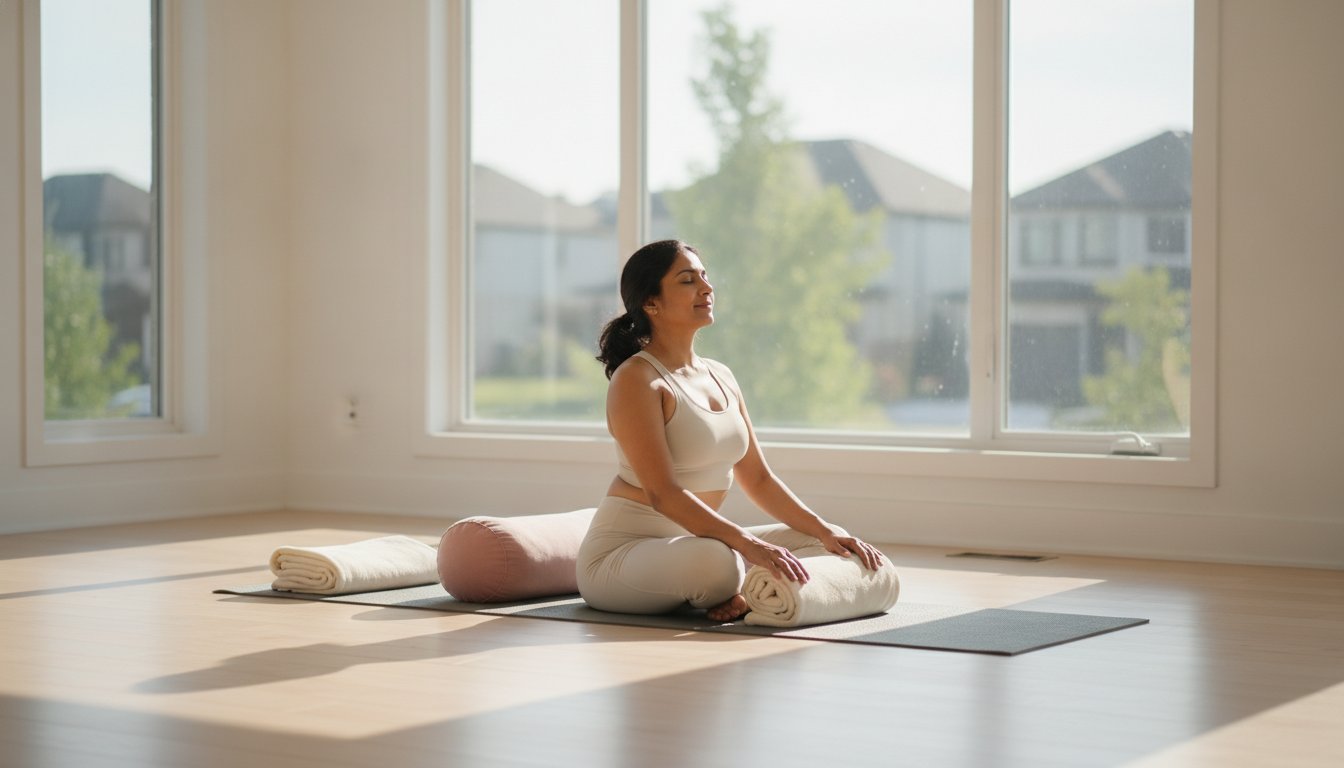
Slowing down is a skill that often feels foreign during the fourth trimester, yet it's a practice that needs to be cultivated. Restorative yoga poses offer a way to "earth" yourself, using bolsters and blankets to fully support your physical weight. When your body feels truly supported, your muscles can finally stop "holding," which helps your brain realize that, in this moment, you are safe. This grounding process is essential for transitioning out of the "wired but tired" state and into a place of genuine rest.
The Vagus Nerve: Your Internal "Off Switch"
The Vagus nerve is the longest nerve in your body and acts as a direct line to your internal "off switch." By practising deep, diaphragmatic breathing (Pranayama), you physically stimulate this nerve, sending an immediate signal to your heart to lower its pace. The secret lies in the exhale. Making your breath out longer than your breath in is the most efficient way to interrupt a rising wave of anxiety. Sometimes, adding a gentle hum or a soft chant creates a subtle vibration in the throat that further encourages the nervous system to settle into a state of profound peace.
Releasing Stored Tension in the "Anxiety Muscles"
Stress doesn't just exist in your thoughts; it lives in your tissues. The psoas, often called the "muscle of the soul," and the muscles surrounding the shoulders are primary storage centres for postpartum stress. Using gentle hip openers and chest expansions can facilitate an emotional release that talking alone might not reach. Integrating postpartum yoga for pelvic floor health is a foundational step in this process, as a stable and relaxed base provides the physical security needed for mental calm. If you find it difficult to find this stillness on your own, a Private Yoga Session can offer the tailored, quiet space you need to begin this somatic journey under the guidance of a nurturing specialist.
Restorative vs. Active Yoga: Which is Better for PPA?
Choosing the right style of movement is a delicate balance during your early months of motherhood. While you might feel a lingering pressure to "bounce back" or "sweat out the stress," high-intensity power yoga can often be counterproductive when navigating yoga for postpartum anxiety. If your nervous system is already stuck in a state of high alert, vigorous exercise acts as a physiological stressor. This can trigger a further spike in cortisol and adrenaline, potentially worsening the "wired but tired" feeling we explored earlier. In the first six months, your body often needs the element of "water"-cooling, fluid, and receptive-rather than the "fire" of a demanding athletic practice.
The difference lies in how these styles affect your heart rate and adrenal glands. Active flows require significant energy expenditure and muscular engagement, which can be taxing if you aren't sleeping well. Restorative practices, conversely, prioritize physical support through the use of props like bolsters, blocks, and heavy blankets. These tools do the "holding" for you, allowing your brain to register that it's safe to let go of the physical guarding in your jaw and shoulders. It's a profound shift from performing a pose to being held by one.
The Case for Restorative Yoga
Restorative yoga is often described as "active relaxation." It isn't just lying down; it's a methodical process of placing the body in specific shapes that encourage the parasympathetic nervous system to take the lead. By holding these supported poses for five to ten minutes, you allow your adrenal glands to reset from the constant demand of caregiving. This slow, steady approach is also the safest path for those recovering from diastasis recti, as it avoids the intra-abdominal pressure often found in more strenuous classes.
When to Introduce Gentle Movement
As you move through your fourth trimester, you'll eventually feel a natural call for more rhythmic movement. You'll know you're ready for a gentle Vinyasa or flow when your breath feels stable and your base level of anxiety has begun to settle. It's essential to honour your unique recovery timeline before increasing the intensity of your practice. Instead of following an instructor's external pace, focus on your internal cues. If a movement causes your breath to become shallow or your heart to race, it's a signal from your nervous system to return to the sanctuary of a more restorative shape.

Creating a Postpartum Sanctuary: Home vs. Studio Practice
Practising at home with a newborn often feels like trying to find stillness in the middle of a whirlwind. Between the piles of laundry, the hum of the baby monitor, and the mental checklist of household tasks, your brain remains tethered to your role as a caregiver. When you engage in yoga for postpartum anxiety, the environment is just as important as the movement itself. A dedicated studio sanctuary provides a physical boundary that tells your brain it's finally safe to rest. It allows you to step away from the visual reminders of your "to-do" list and enter a space designed solely for your restoration, stability, and peace.
This transition from the domestic space to a healing environment helps break the cycle of hyper-vigilance. While a ten-minute stretch in the living room is better than nothing, it's frequently interrupted by the needs of others. In contrast, a curated space offers the silence and intentionality required for the nervous system to truly down-regulate. It's a place where you aren't a mother, a partner, or a homemaker; you are simply a person returning to themselves.
The Sensory Experience of Healing
Healing is a deeply sensory process, especially when the mind feels overstimulated. High anxiety often makes us sensitive to harsh inputs, which is why the atmosphere of your practice matters so much. Bright overhead lights and sudden household noises can keep the sympathetic nervous system in a state of high alert. In a professional sanctuary, we prioritize low lighting and soft colours to soothe the eyes and quiet the mind. Sound healing vaughan serves as a powerful tool here, using resonant frequencies to guide your brainwaves into a state of deep relaxation. Even the subtle use of essential oils like lavender or frankincense can anchor you in the present moment, creating a sensory "anchor" that reminds your body it's time to let go.
The Power of Private Instruction in Vaughan
For many navigating the vulnerability of postpartum anxiety, a public setting can feel overwhelming or even intrusive. You might worry about your physical recovery, feel self-conscious about your body, or experience a sense of social anxiety that makes relaxation impossible. This is why one-on-one sessions are so valuable during this transition. They allow for a deeply personalized experience where every pose is adjusted to your birth story and your specific physical needs. If you're looking for a postpartum yoga sanctuary in Maple or Vaughan, choosing a private setting ensures you have the undivided attention of a guide who understands the delicate nature of the fourth trimester.
If you're ready to step out of the noise and into a space of quietude, we invite you to book a Private Yoga Session tailored to your unique journey toward wellness.
The Yoga House Approach: Nurturing Your Recovery
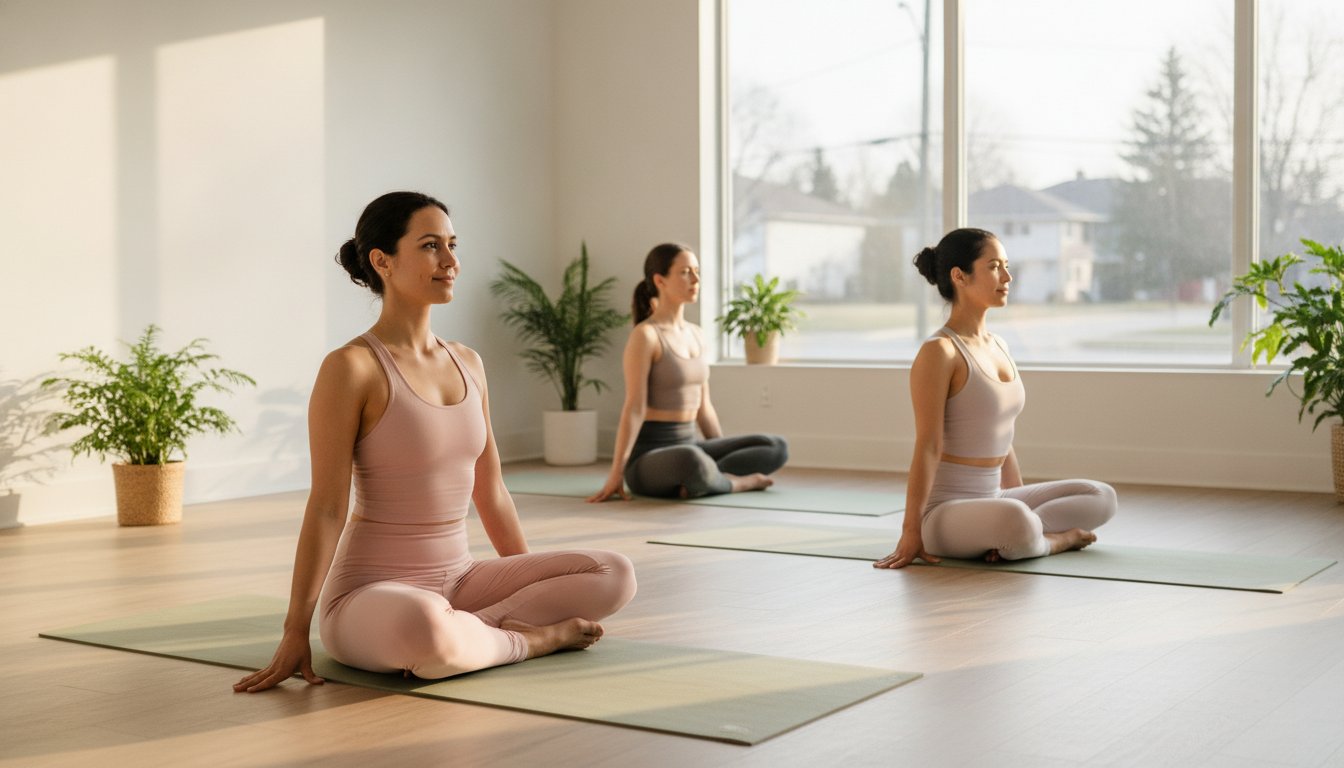
At Yoga House Canada, we believe that recovery is not a race; it's a slow, intentional unfolding. When you seek out yoga for postpartum anxiety, you aren't just looking for physical poses; you're searching for a space where your nervous system can finally exhale. Our environment is intentionally intimate, focusing on private and semi-private sessions that prioritise your emotional safety over mass appeal. By excluding large, co-ed public classes, we protect the quietude and feminine energy of our sanctuary, ensuring you feel entirely seen and supported by a specialist who understands the unique physiological rhythms of the postpartum body.
This unhurried approach allows for a deeper level of care that respects your current energy levels, whether you're three months or a year into your motherhood journey. It's about building a relationship with your body again, one that is rooted in kindness rather than performance. We move with a deliberate rhythm that mirrors the slow-paced, grounding nature of the healing you deserve. Here, the focus is never on the accolades of the instructor but on the profound well-being of the individual mother.
Beyond the Poses: A Holistic Sanctuary
We understand that true regulation happens when all the senses are soothed simultaneously. Every session is a holistic experience where we integrate Sound Healing and Meditation to anchor the mind. We use crystal bowls and resonant sound baths to create vibrations that help shift your brain from a state of hyper-vigilance into a restorative state of ease. Being heard in your recovery journey is just as important as the physical movement itself; in our space, your story is held with the gentleness and patience of a trusted guide. This combination of specialised physical health knowledge and emotional attentiveness creates a safe container for your transition into wellness.
Taking the First Step Toward Ease
Beginning something new when you're already feeling "on edge" takes a quiet kind of bravery. If you're ready to explore how a Semi-Private Yoga Session can support your mental wellness, the process is designed to be low-pressure and welcoming. You don't need to worry about "looking" like a seasoned yogi or having the perfect gear; simply bring yourself in comfortable clothes and a willingness to pause. We provide all the props, bolsters, and blankets needed to create your physical sanctuary, removing the logistical burden from your shoulders.
Reclaiming your peace is a vital part of being the mother you wish to be, and taking a meaningful pause is often the most productive thing you can do for your family. When you're ready to move from a state of constant "doing" into a state of intentional "being," we are here to walk beside you. We invite you to reach out and discover a path toward ease that honours your transition, your body, and your heart.
Reclaiming Your Peace in the Fourth Trimester
Your journey through motherhood deserves a foundation of profound calm and internal safety. We've explored how yoga for postpartum anxiety acts as a somatic bridge, helping you move from a state of hyper-vigilance toward a place of genuine rest. By prioritizing restorative practices over high-intensity exercise and seeking a dedicated sanctuary away from the noise of home, you allow your nervous system the space it needs to regulate and heal. This intentional pause is not a luxury; it's a vital part of your recovery and your identity as a mother.
At The Yoga House, we are specialized in women's health, providing a gentle environment through our intimate semi-private and private sessions. Our approach integrates sound healing and meditation to ensure every layer of your being feels seen and cared for. If you're ready to step into a space designed for your tranquility, we invite you to book your nurturing postpartum sanctuary session in Vaughan. You've been holding so much for everyone else; now, let us hold the space for you as you return to yourself with kindness and ease.
Frequently Asked Questions
Is it safe to do yoga for postpartum anxiety if I had a C-section?
Yes, practising yoga is generally safe once you have received medical clearance from your healthcare provider, which typically occurs around eight weeks after a C-section. We focus on restorative, gentle shapes that avoid putting pressure on your incision site. This approach allows your abdominal tissues to heal while providing the emotional support your nervous system needs during recovery.
How soon after giving birth can I start a gentle yoga practice?
Most mothers begin a physical practice after their six or eight-week postpartum checkup. While you wait for physical clearance, you can begin gentle meditation and diaphragmatic breathwork almost immediately. These subtle tools are incredibly effective for grounding your energy and managing the initial "wired but tired" feelings that often follow birth.
Can yoga really help with intrusive thoughts and "baby blues"?
Yoga helps by anchoring your awareness in the present moment, which can provide a necessary buffer against intrusive thoughts. By focusing on physical sensations and the rhythm of your breath, you move out of the "fight or flight" response. This somatic shift helps regulate the hormonal fluctuations associated with the "baby blues" and persistent worry.
Do I need to be flexible to start postpartum yoga?
Flexibility is never a requirement for starting yoga for postpartum anxiety. This practice isn't about achieving complex poses or deep stretches. Instead, we focus on nervous system regulation, physical stability, and releasing the tension that builds up in your jaw, shoulders, and pelvic floor from the repetitive tasks of caregiving.
What is the difference between postpartum depression and postpartum anxiety?
Postpartum depression often manifests as a heavy, low-energy state characterized by sadness, withdrawal, or a lack of interest in activities. Postpartum anxiety is a state of high autonomic arousal, often involving racing thoughts, irrational fears, and physical restlessness. While they can occur together, anxiety specifically feels like your internal "alarm" is stuck in the on position.
How often should I practice yoga to see a difference in my anxiety levels?
Consistency is more important than the length of each session. You'll likely feel an immediate reduction in your heart rate after a single session. Practising two or three times a week helps you build a "baseline" of calm, making it easier to manage anxiety spikes when they happen at home during the day.
Can I bring my baby to a private yoga session at Yoga House?
Our sessions are primarily designed to be a sanctuary for the mother, offering a rare and meaningful pause from the constant cycle of caregiving. While our private sessions offer a high degree of flexibility, we encourage you to use this time to focus entirely on your own recovery. This allows your brain to fully realize it is safe to rest and down-regulate.
Does yoga help with the physical symptoms of anxiety, like heart palpitations?
Yes, yoga is a powerful tool for managing the physical manifestations of anxiety. Through Vagus nerve stimulation and intentional, unhurried movement, you can physically signal your heart to slow down. This practice helps resolve the shallow breathing, chest tightness, and heart palpitations that often accompany a dysregulated postpartum nervous system.