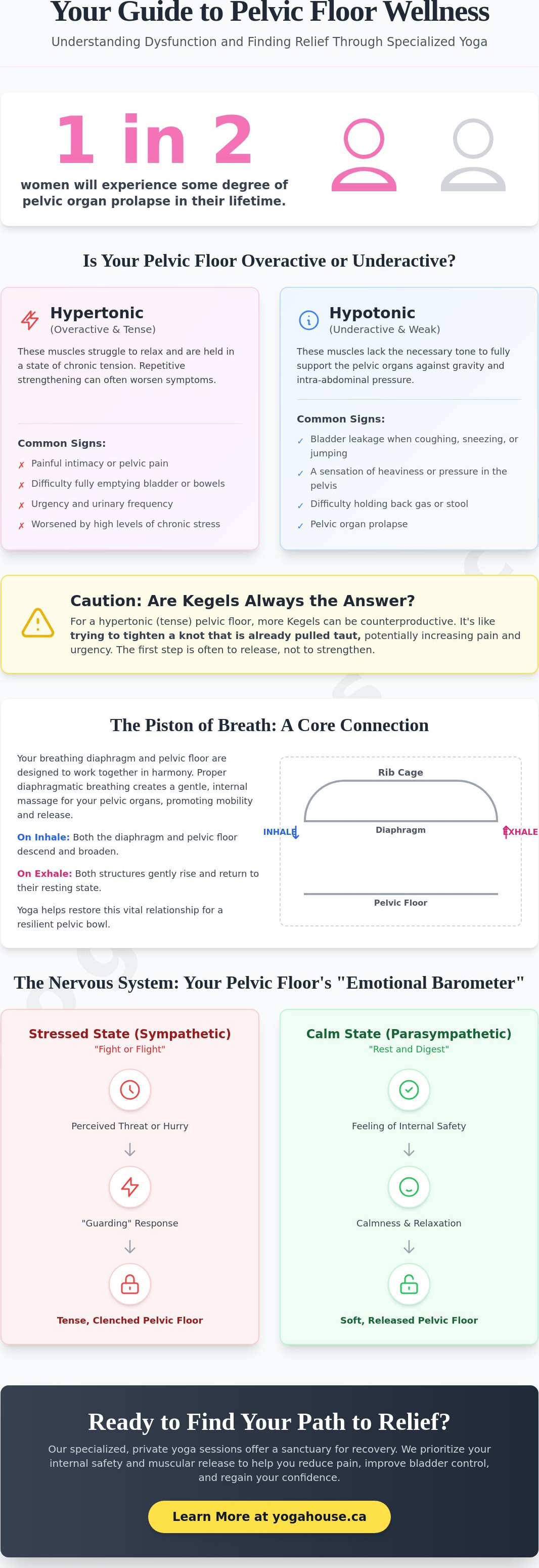
Did you know that one in two women will experience some degree of pelvic organ prolapse in their lifetime? It is a startling figure, yet so many of us carry the heavy sensation of pelvic pressure, the quiet anxiety of bladder leaks, or the persistent ache of tension in silence. You might feel a sense of embarrassment in public spaces or find yourself wondering if you should be doing more Kegels or avoiding movement altogether to find relief. Finding the right approach to yoga for pelvic floor dysfunction can feel overwhelming when you aren't sure if your body needs more strength or more space to simply breathe.
We understand that your journey toward wellness requires a sanctuary where you feel seen, safe, and supported. This guide will show you how specialized yoga practices can help you manage these symptoms through gentle movement, nervous system regulation, and deeply personalized care. By prioritizing your internal safety and muscular release, you can move toward reduced pain and improved bladder control. We will explore how to soften deep-seated tension, regain your sense of physical confidence, and realize a path toward recovery that honours your body's unique rhythms.
Key Takeaways
- Identify whether your muscles require softening or strengthening by understanding the nuances of pelvic floor coordination, flexibility, and balance.
- Discover why soothing your nervous system is the essential first step to releasing the "guarding" response that often contributes to deep-seated pelvic tension.
- Explore five nurturing poses designed to lengthen the pelvic bowl, illustrating how yoga for pelvic floor dysfunction uses supportive props to foster a sense of internal safety.
- Understand why a private, specialized environment offers the intimacy and personalized guidance necessary for recovery, far removed from the potential strain of large public classes.
- Learn how to integrate restorative movement with pelvic health physiotherapy to create a comprehensive, multi-disciplinary path toward lasting comfort and confidence.
What is Pelvic Floor Dysfunction and How Does Yoga Help?
When we speak about the pelvic floor, we are referring to a sophisticated cradle of muscles that supports our internal organs and stabilizes our core. Ideally, these muscles work in a fluid harmony, responding to our movements and our breath without us ever having to think about it. However, Pelvic Floor Dysfunction occurs when this coordination is lost. It is a common experience, yet statistics from 2025 show that 40% of women with symptoms that significantly impact their quality of life do not seek help. It isn't simply a matter of being "weak" or "strong." It's about how well these muscles can lengthen, soften, and contract in response to the transitions of your life. Yoga for pelvic floor dysfunction offers a gentle path to re-establishing this balance, focusing on "down-training" the body to release the reflexive guarding that so many of us carry in our deepest tissues.
You might have been told to "just do more Kegels" to fix your symptoms, but this common advice can actually be counterproductive for many women. If your muscles are already held in a state of chronic tension, repetitive squeezing can increase pelvic pain, frequency, and urgency. It's like trying to tighten a knot that is already pulled taut. Our approach encourages a restorative perspective that prioritizes softening the pelvic bowl before asking for strength. We want to teach the muscles how to let go first, helping you honour your body's need for ease and safety while you realize your potential for recovery.
Hypertonic vs. Hypotonic: Knowing Your Body
A hypertonic pelvic floor is overactive and struggles to relax, which can lead to painful intimacy, difficulty fully emptying your bladder, or chronic tension. Conversely, a hypotonic pelvic floor is underactive and lacks the necessary tone to support the organs, often manifesting as leaking when you cough or a heavy sensation in the pelvis. Research published in 2026 highlights that hypertonicity is becoming significantly more common among individuals experiencing high levels of chronic stress. Identifying these patterns allows us to choose movements that either invite space or encourage gentle, mindful engagement.
The Role of the Diaphragm in Pelvic Health
The breathing diaphragm and the pelvic floor operate like a piston; as you inhale, both should gently descend and broaden in response. In our Women's Health Yoga sessions, we focus on diaphragmatic breathing to create a natural internal massage for your pelvic organs. This process requires mobility in the ribcage to be truly effective. Harnessing the breath through yoga for pelvic floor dysfunction allows the body to rediscover its natural, unhurried pace while restoring the vital "piston" relationship that keeps the pelvic bowl vibrant and resilient.
The Nervous System Connection: Why Calmness is a Pelvic Floor Requirement
The pelvic floor is deeply responsive to our internal state, often acting as an "emotional barometer" that reflects our stress levels before we even realize we are overwhelmed. Because these muscles are physically linked to our core stability and our primal survival instincts, they are among the first to tighten when we feel unsafe or hurried. When the sympathetic nervous system is dominant, the body enters a state of "guarding," where the pelvic muscles subconsciously clench to protect us from perceived threats. This is why a truly effective approach to yoga for pelvic floor dysfunction must be built upon a foundation of nervous system regulation yoga. Without establishing a sense of internal safety, the muscles will remain in a protective state, regardless of how many physical stretches you attempt.
Within our sanctuary, we prioritize the "why" of relaxation before the "how" of movement. We understand that your body has likely been holding onto tension as a way to keep you safe during life's many transitions. By shifting the body out of a high-alert state and into the parasympathetic "rest and digest" mode, we create the necessary conditions for deep tissue release. It's a methodical, unhurried process that respects your boundaries and encourages a state of ease.
Vagus Nerve Stimulation and Pelvic Release
The Vagus nerve is the primary communicator of our parasympathetic nervous system, responsible for signaling the body to soften and recover. We can gently stimulate this nerve through subtle vibrations such as humming, chanting, or the soothing frequencies found in Sound Healing sessions. There's a fascinating fascial connection between the jaw and the pelvic floor; when we soften the mouth and throat, the pelvis often mirrors that release. This physiological link is why a nurturing, quiet environment is far more effective for pelvic health than the bright lights and high-energy atmosphere of a traditional gym.
Moving Out of "Guarding" Mode
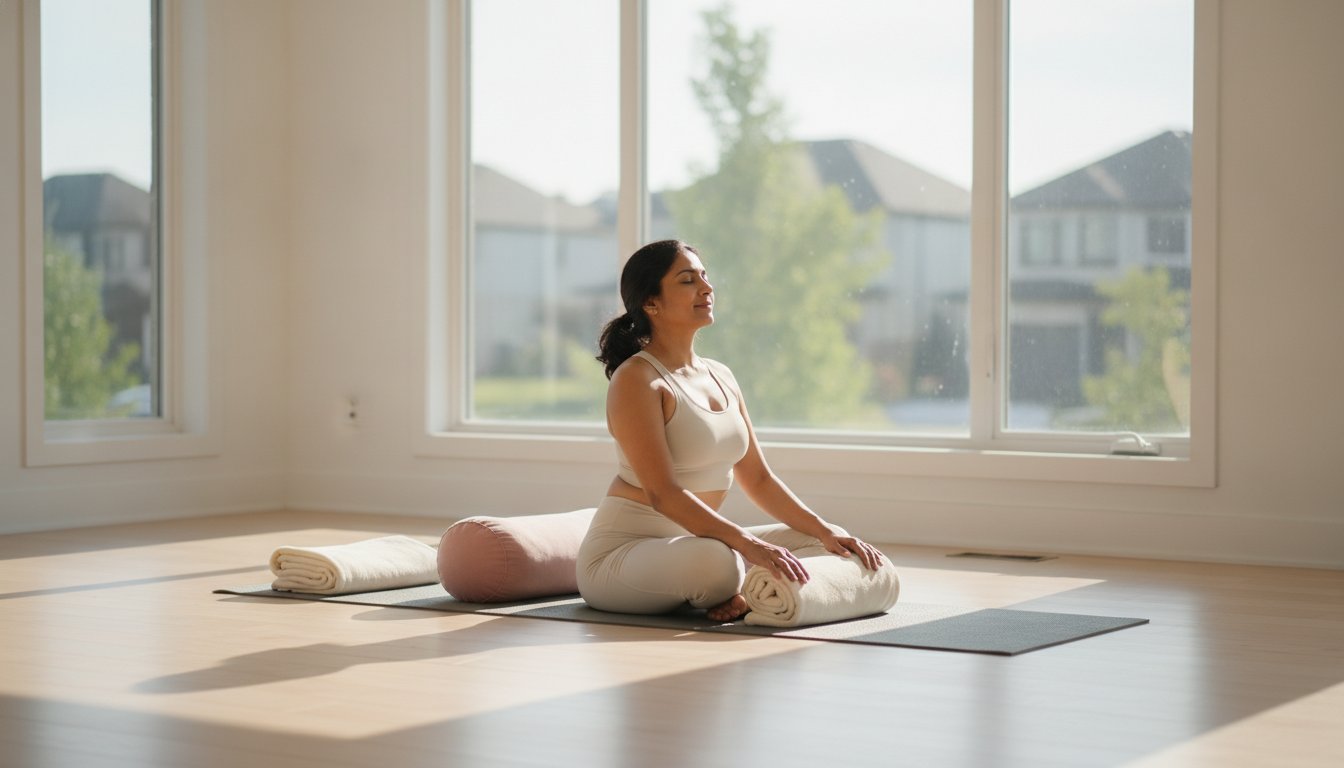
Pelvic guarding is a subconscious protective response to trauma, chronic pain, or long-term stress. Your body isn't failing you when it tightens; it's trying to shield you. Restorative yoga poses use props like bolsters and blankets to fully support your weight, sending a clear message to the brain that it's finally safe to let go. In our practice, we emphasize "holding space" for the emotional release that often accompanies this physical softening. It's a journey of rediscovering your body as a safe place to inhabit, allowing you to move through the world with a renewed sense of confidence and stability.
5 Nurturing Yoga Poses for Pelvic Floor Dysfunction
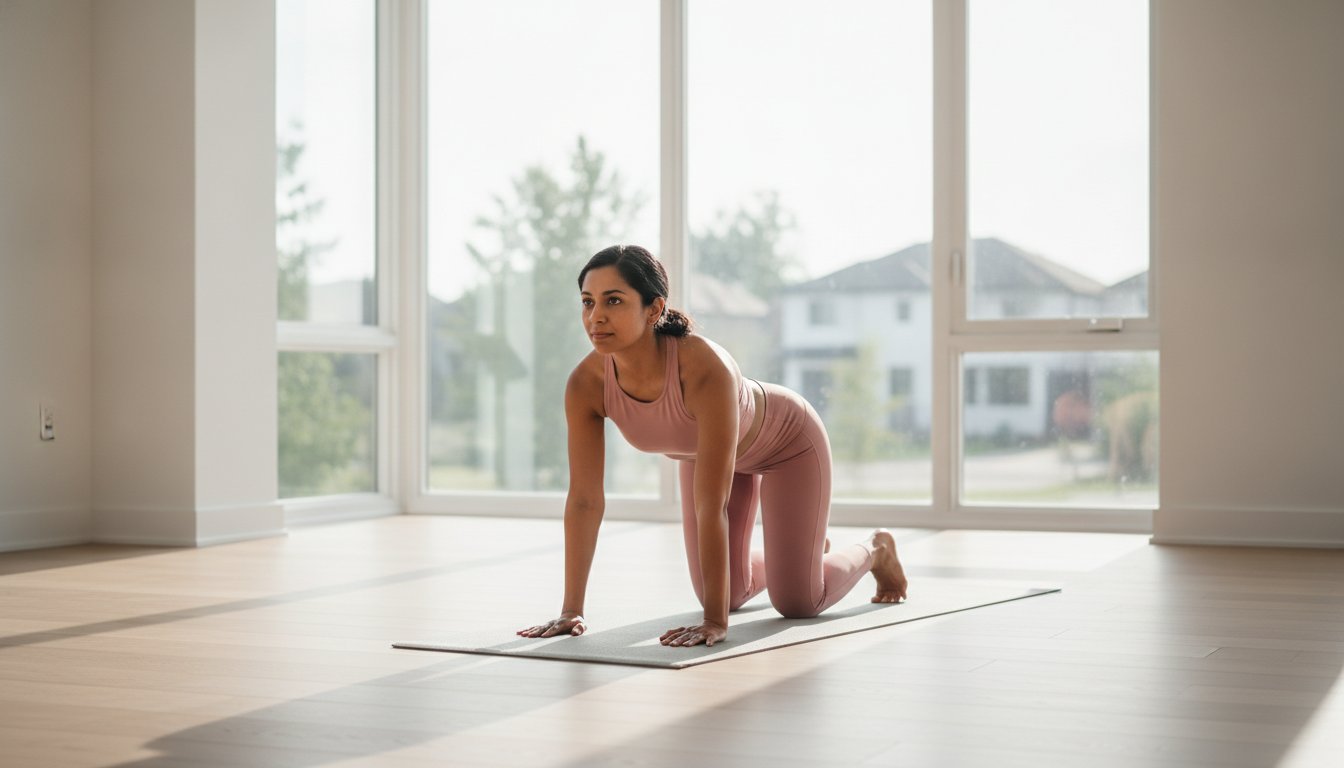
To begin your practice, we invite you to create a quiet, warm sanctuary within your home. Dim the lights, perhaps light a candle, and ensure you won't be interrupted. This environment is essential to encourage your nervous system to enter a "rest and digest" state, which allows the muscles of the pelvic bowl to truly soften. When practicing yoga for pelvic floor dysfunction, our focus shifts away from the traditional idea of "stretching" or "working out." Instead, we prioritize the sensation of expansion and the gentle unfurling of the tissues. We use props like bolsters and blankets to ensure your body feels fully held, removing any need for your muscles to grip or guard.
1. Supported Child’s Pose (Balasana)
Begin by taking your knees wide apart, allowing ample space for your belly and the pelvic floor to broaden. Place a bolster or a stack of firm blankets lengthwise between your thighs. As you fold forward, let your entire torso be supported by the props. Ground your forehead onto the bolster or your hands; this simple act of pressure helps calm the mind and soothe the nervous system. As you breathe, visualize the air travelling deep into your low back and sacrum. With every inhale, feel the pelvic floor gently widen and descend, creating a sense of internal spaciousness.
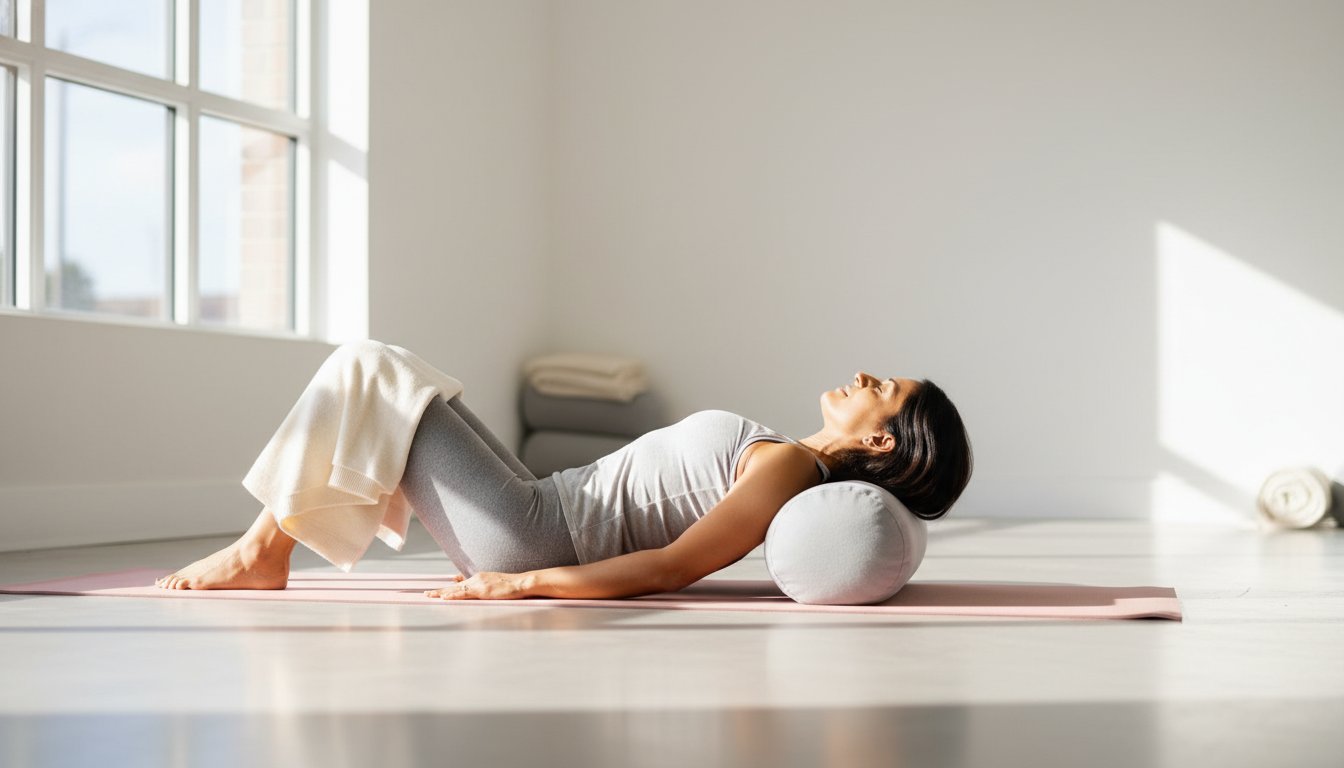
2. Reclined Bound Angle Pose (Supta Baddha Konasana)
Lying on your back, bring the soles of your feet together and let your knees fall open. It's vital to place bolsters or cushions under each knee to prevent the inner thighs from "gripping" to hold the weight of your legs. This supported opening allows the pelvic bones to feel as though they are gently spreading apart. This pose is particularly beneficial as it supports yoga for menopause relief by cooling the body and quieting the pelvic region during hormonal transitions.
3. Happy Baby (Ananda Balasana) with Wall Support
Traditional Happy Baby can sometimes feel like a struggle. By resting your feet against a wall, you take the effort out of the pose, allowing for a deeper muscular surrender. Keep your tailbone heavy and grounded on the floor rather than letting it curl up. You might choose to add a very gentle side-to-side rocking motion. This movement helps massage the pelvic fascia and encourages the muscles to realize they are safe to let go of chronic tension.
4. Supported Deep Squat (Malasana)
In this variation, we use a stack of blocks or a low stool to fully support your weight. Sitting deeply while supported allows the pelvic floor to reach its most lengthened state without any strain. Focus on the "bloom" of the pelvic floor on the inhale. It is an unhurried practice of noticing the natural rhythm of your body as it moves through its cycles of expansion and release.
5. Legs Up the Wall (Viparita Karani)
This final pose is a restorative gift for anyone feeling the "heaviness" or pressure often associated with pelvic floor issues. By elevating the hips slightly on a folded blanket and resting the legs against the wall, gravity helps move fluid away from the pelvis. It provides an immediate sense of relief and lightness. Stay here for several minutes, allowing the stillness of the room to mirror the stillness growing within your own body. This is the heart of yoga for pelvic floor dysfunction: finding the courage to be still and the patience to listen to what your body truly needs.
Why Private Yoga is the Gold Standard for Pelvic Health
Healing the pelvic floor is a deeply personal and often vulnerable experience. It isn't something most of us feel comfortable discussing or navigating in a crowded room of thirty strangers. While general fitness classes have their place, they often lack the specialized nuance required for effective yoga for pelvic floor dysfunction. In a large public setting, it's easy to follow a teacher's cues blindly, which can lead to unintended strain or the use of compensatory muscles. If you are managing prolapse or chronic pain, one-size-fits-all instructions might actually worsen your symptoms. A private setting allows a specialist to observe the subtle rhythm of your breath, the alignment of your pelvis, and the way your ribcage moves. This level of attention ensures that every movement serves your recovery rather than your ego.
Whether you are navigating the tender weeks of postpartum recovery or the shifting hormones of perimenopause, your body's needs change daily. A private instructor tailors the practice to these specific transitions, adjusting the intensity and focus based on how you feel in the moment. It's a methodical, unhurried approach that prioritizes your long-term well-being over athletic performance. You don't have to worry about keeping up; you only have to focus on listening to your body's unique signals.
The Safety of a Women-Only Sanctuary
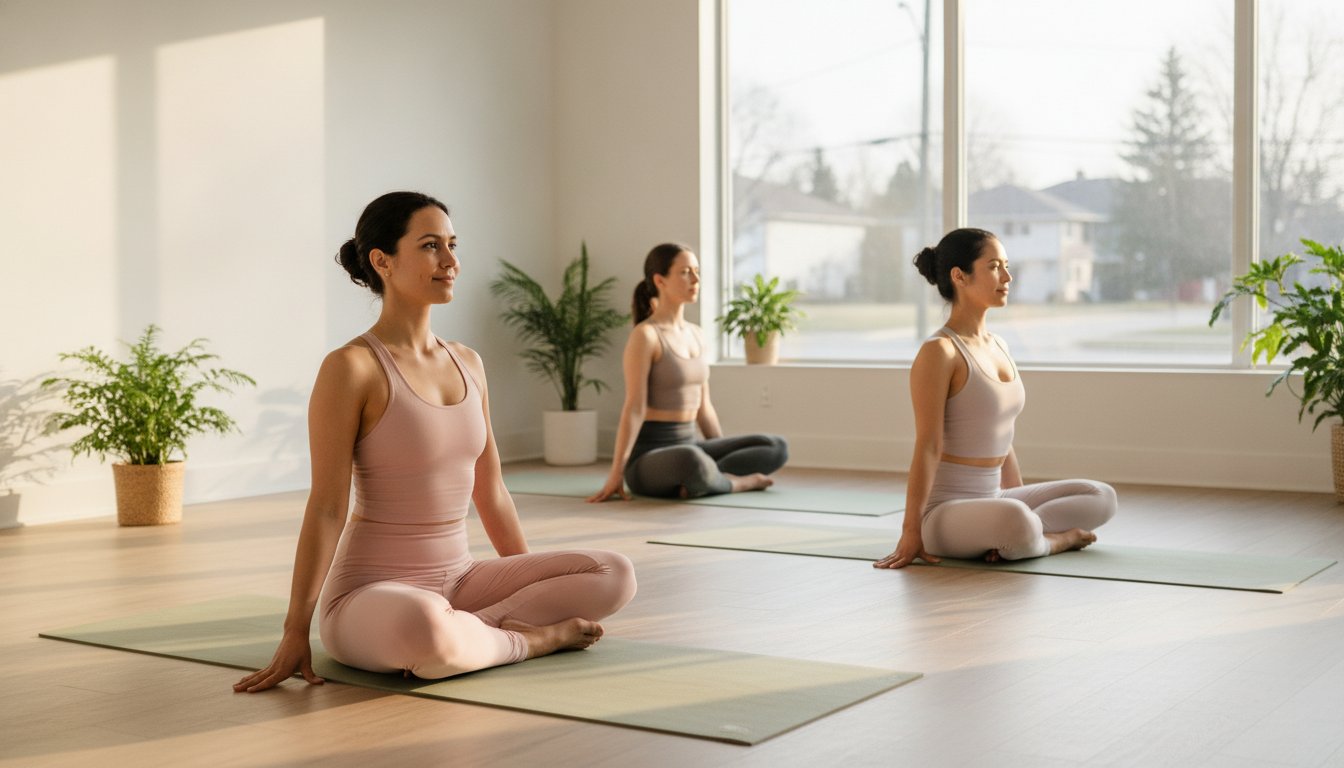
Removing the performance aspect of yoga is vital for true pelvic healing. In many public classes, there's a subconscious pressure to look a certain way or achieve a specific depth in a pose. This can lead to "bracing," which is the opposite of the release we seek. In our sanctuary, symptoms like sudden urgency or the release of gas aren't sources of anxiety; they are simply recognized as part of the body's natural process. If a one-on-one session feels too intimate for your current stage, you might find comfort in semi-private yoga vaughan. These small, supportive groups offer a gentle middle ground, providing personal attention while fostering a sense of community among women who truly understand your journey.
Personalized Modifications for Pelvic Pain
If you live with prolapse, certain poses can create too much intra-abdominal pressure, inadvertently pushing down on the pelvic organs. A private setting allows us to modify these movements to ensure you're always lifting and supporting from within. We also look for patterns that public classes often miss, such as "glute gripping" or holding tension in the jaw, which can keep the pelvic floor in a state of high alert. By identifying these habits, we can guide you toward a more authentic release. Integrating elements like Sound Healing into a private session can further deepen your relaxation response, helping you move from a state of guarding to one of grace. If you are ready to begin your personalized journey, we invite you to explore our Private Yoga Sessions designed specifically for your comfort and recovery.
Taking the First Step Toward Pelvic Wellness in Vaughan
Taking the first step toward pelvic wellness begins with a gentle shift in perspective. Instead of viewing your symptoms as something to be silenced, we invite you to listen to your body’s signals without judgment or shame. Your body isn't broken; it is simply communicating a need for more space, more breath, and more safety. While a clinical diagnosis is an essential part of the process, a multi-disciplinary approach that pairs specialized physiotherapy with restorative yoga for pelvic floor dysfunction often yields the most profound results. One provides the medical map, while the other provides the somatic compass to navigate your internal world with grace.
At Yoga House Canada, our boutique studio in Vaughan serves as an intimate sanctuary for this delicate work. We have intentionally moved away from the high-pressure environment of general fitness centres to create a space that feels like a quiet refuge. Here, you are invited to take a meaningful pause, allowing the unhurried pace of our sessions to lower your heart rate and settle your spirit. It is a place where you can feel seen and supported as you transition from a state of physical guarding to one of internal ease.
Integrating Sound and Stillness
Recovery is not just about physical exercises; it is about the environment in which those movements happen. A private sound bath vaughan can be a transformative complement to your physical pelvic work. The resonant frequencies help stimulate the Vagus nerve, encouraging the deep muscular release that is often difficult to achieve through willpower alone. This shift from "fixing" a problem to "nurturing" your body is where true healing resides. When you visit our sanctuary for the first time, you will find a warm, inclusive atmosphere where your comfort and privacy are our only priorities.
Your Journey at Yoga House Canada
We offer various paths to support your recovery, including Private Yoga Sessions for one-on-one attention and Semi-Private Yoga Sessions for those who value small-group connection. Our expertise extends through every life transition, offering specialized care through Prenatal Yoga, Postpartum Yoga, and Women’s Health Yoga. Whether you are navigating the cycles of menopause or recovering from childbirth, our goal is to help you rediscover a sense of stability and peace within your own skin. We believe that every woman deserves to feel confident and safe in her body, regardless of the challenges she may face. Reach out to schedule a private consultation for your pelvic health journey.
Begin Your Journey Toward Restorative Healing
Rediscovering comfort in your body is a deeply personal transition that requires patience, quietude, and expert guidance. By shifting your focus from repetitive strengthening to intentional release, you allow your pelvic bowl to regain its natural resilience and rhythm. We have explored how the connection between your breath and your nervous system serves as the foundation for lasting recovery. This specialized approach to yoga for pelvic floor dysfunction ensures you are never just another face in a crowd; instead, you are a woman supported by a sanctuary designed specifically for your well-being.
At Yoga House Canada, we invite you to experience the profound difference of a specialized women’s health focus. Our private and semi-private sanctuary environment offers a peaceful retreat from the noise of daily life, integrating restorative movement with sound healing and meditation. When you are ready to prioritize your internal safety and physical confidence, we are here to walk beside you. Book a Private Women’s Health Yoga Session in Vaughan to begin your unhurried path toward release. You deserve to inhabit a body that feels like home.
Frequently Asked Questions
Is yoga safe if I have a pelvic organ prolapse (POP)?
Yoga is safe and highly beneficial for those with pelvic organ prolapse when practised with specific modifications that reduce downward pressure. We prioritize poses that use gravity to support the organs, such as Legs Up the Wall or supported inversions. It's vital to avoid heavy "bracing" or breath-holding, as these can increase intra-abdominal pressure. By focusing on gentle, restorative movements, you can build a sense of safety and support within your pelvic bowl.
How often should I practise yoga to see improvements in pelvic floor dysfunction?
Practising yoga for pelvic floor dysfunction is most effective when done consistently in short, daily intervals rather than long, occasional sessions. Even ten to fifteen minutes of mindful breathing and restorative posing each day can help regulate your nervous system. This steady rhythm encourages your muscles to move out of a chronic state of "guarding." Over time, these small, intentional pauses create a cumulative effect that supports lasting release and recovery.
Can yoga help with bladder leakage when I laugh or sneeze?
Yoga can certainly help manage stress incontinence by improving the coordination between your breath and your pelvic muscles. When you laugh or sneeze, your pelvic floor needs to respond dynamically; yoga trains this "piston" relationship with the diaphragm. By learning to engage and release these muscles mindfully, you can improve bladder control and regain confidence in public settings. It's about restoring the natural, responsive rhythm of your body.
Do I need to see a pelvic floor physiotherapist before starting yoga?
We strongly recommend an initial consultation with a pelvic health physiotherapist to receive a clear diagnosis of your specific needs. Understanding whether your muscles are hypertonic or hypotonic allows us to tailor your yoga practice with precision. While yoga is a beautiful complementary tool, the clinical insights from a physiotherapist ensure that we are choosing the most supportive path for your recovery. This multi-disciplinary approach provides the most comprehensive care.
What yoga poses should I avoid if my pelvic floor is too tight?
If your pelvic floor is chronically tight, you should avoid poses that require intense, sustained core "bracing" or rapid, repetitive contractions like fast-paced sun salutations. These movements can inadvertently encourage your muscles to clench further, increasing tension and pain. Instead, we suggest steering away from any practice that feels hurried or competitive. Your body needs movements that invite length and space rather than those that demand more effort and grip.
Can sound healing really help my pelvic floor muscles relax?
Sound healing is an exceptionally effective tool for pelvic relaxation because it uses vibration to stimulate the Vagus nerve. Chanting or the resonance of crystal bowls can help shift your body into a parasympathetic state, which is a requirement for muscular release. There is a direct physiological connection between the tension in your jaw and the tension in your pelvis. As the sound helps you soften your throat and mouth, your pelvic floor often follows suit.
Is private yoga better than a group class for pelvic health?
Private yoga sessions are generally superior for pelvic health because they allow for intimate, specialized attention that group classes cannot provide. In a private sanctuary, your instructor can observe subtle alignment patterns and breathing habits that might be missed in a larger setting. This personalized care is especially important when navigating sensitive symptoms or complex conditions like prolapse. It ensures your practice remains a safe, unhurried space for genuine healing.
How do I know if my pelvic floor is weak or just tight?
It is difficult to distinguish between a weak or tight pelvic floor on your own because many symptoms, such as leaking or heaviness, actually overlap. A "tight" or hypertonic pelvic floor is often exhausted from overworking, making it feel weak even though it is actually held in a state of tension. A specialized assessment is the only way to know for certain. However, if you experience pain during intimacy or difficulty emptying your bladder, tightness is often a contributing factor.