What if the most powerful way to reclaim your strength after childbirth isn't by pushing harder, but by learning to pause? You likely feel the pull to return to your mat, yet the fear of causing injury or worsening diastasis recti can feel paralyzing. It's natural to feel disconnected from your core and overwhelmed by aggressive fitness advice that ignores your need for restorative rest. Understanding exactly when to start postpartum yoga is less about hitting a specific date and more about listening to the quiet, internal signals of your own healing rhythm.
We'll explore the essential milestones for your recovery, including why the standard six to twelve week window is simply a gentle invitation to begin. You'll discover a clear, safe path for movement that prioritizes your emotional regulation, physical stability, and internal balance. This guide provides the expert guidance you need to realize that your return to your centre can be a sanctuary of peace and breath, allowing you to move through this transition with confidence and grace.
Key Takeaways
- Learn the nuanced timeline for when to start postpartum yoga, moving beyond the standard six-week checkup to honour your body's specific healing pace.
- Understand how your unique birth experience, whether a vaginal delivery or a C-section, informs the way you safely reintegrate movement and support internal healing.
- Identify the subtle physical and emotional cues that signal you're ready to transition from restorative rest to more active, grounding practices.
- Discover gentle, chest-opening poses and breathwork that nourish your nervous system and support pelvic floor stability during the initial weeks of motherhood.
- Realize the value of a tailored environment where private or semi-private sessions focus on your recovery, specifically addressing conditions like diastasis recti.
Understanding the Postpartum Yoga Timeline: When is it Safe?
The transition into motherhood is a sacred cycle that requires a gentle, unhurried approach to movement. Many new parents find themselves asking exactly when to start postpartum yoga, often looking for a specific date on the calendar to mark their return to the mat. While your body has undergone an incredible transformation, the path back to physical activity isn't a race. It's a restorative journey that begins long before you strike your first pose. By shifting your perspective, you can see this time as a meaningful pause rather than a delay in your progress.
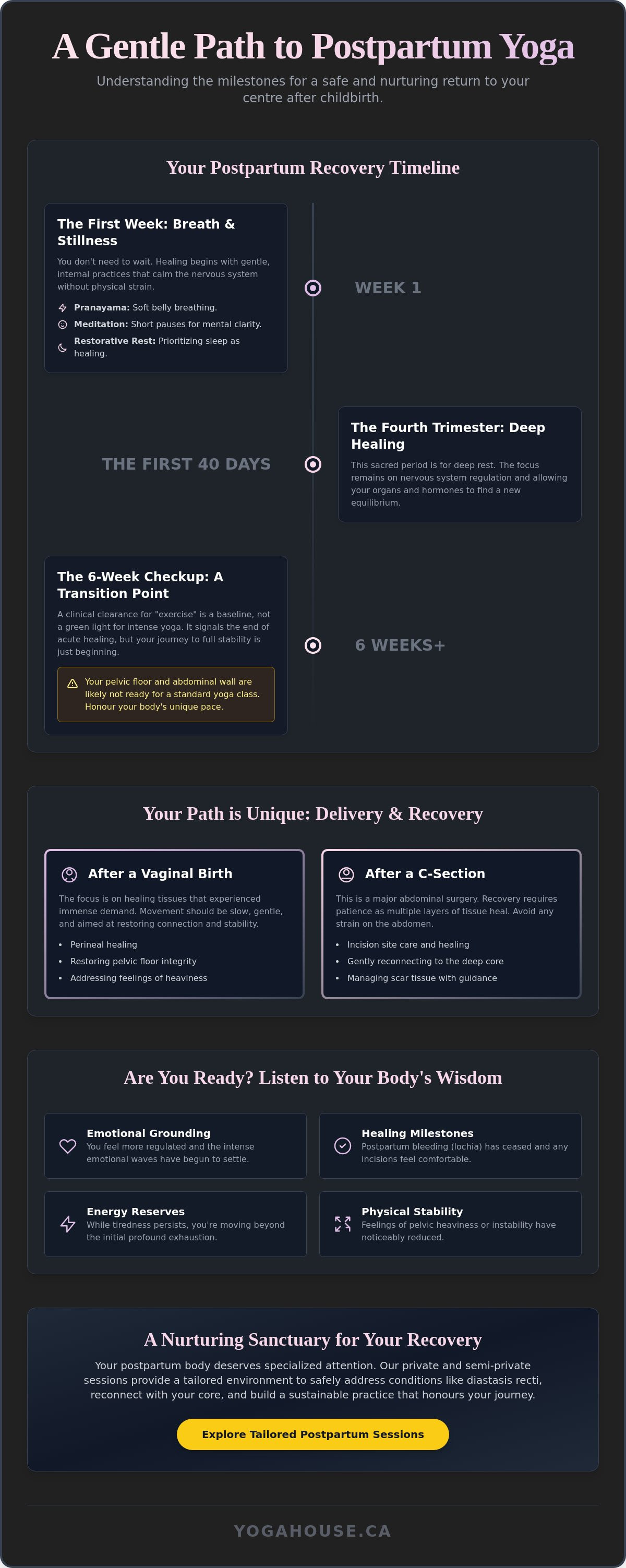
During the first 40 days, often called the fourth trimester, your focus should remain entirely on nervous system regulation and internal healing. This period is a time for deep rest, allowing your organs to settle and your hormones to find a new equilibrium. Within the postpartum period, yoga serves as a sanctuary for your mind rather than an athletic pursuit. By adopting a breath-first philosophy, you can begin to reconnect with your body through soft, intentional movements that honour your current capacity and emotional state.
The Traditional Six-Week Milestone
Most healthcare providers schedule a follow-up appointment around six weeks after birth. During this visit, they typically ensure that your uterus is contracting well and that any incisions from a C-section or tearing are healing as expected. However, being cleared for exercise is a clinical baseline. It doesn't necessarily mean your pelvic floor or abdominal wall are ready for the intensity of a standard class. Think of this milestone as a transition point; it's a moment to realize that while the phase of acute healing is complete, your journey toward stability is just beginning to unfold.
Yoga Beyond the Mat: Starting in Week One
You don't need to wait six weeks to embrace the healing benefits of a yoga practice. In the very first week, gentle pranayama, or breathwork, can help you begin the subtle process of reconnecting with your deep core without any physical strain. This internal focus provides a sense of grounding when everything else feels in flux. Meditation and mindfulness practices are also vital tools during these early days. They offer a quiet space to manage sleep deprivation or the emotional waves of the baby blues. Determining when to start postpartum yoga often begins with a Sound Healing session, which uses resonance to support emotional regulation and lower the heart rate during this time of intense transition.
- Pranayama: Soft belly breathing to calm the nervous system.
- Meditation: Short, five-minute pauses to find mental clarity.
- Restorative Rest: Prioritizing sleep as the ultimate healing practice.
How Your Delivery Method Influences Your Recovery
Your birth story is as individual as your baby's first cry, and the physical path you took to bring them into the world informs your recovery. While we often look for a universal answer regarding when to start postpartum yoga, the reality is that a vaginal birth and a Caesarean section require different healing focuses. A vaginal delivery, though often termed natural, places immense demand on the pelvic floor muscles, which may feel heavy or fatigued for several weeks. Conversely, a C-section is a major abdominal surgery that involves multiple layers of tissue. Understanding these nuances allows you to honour your body's specific needs without feeling the pressure to rush back to a generic fitness routine.
Beyond the delivery method, other factors like blood loss during labour, your current energy levels, and the demands of breastfeeding play a role in your readiness. It's important to realize that a normal delivery doesn't mean there was no trauma to the pelvic bowl. According to the American College of Obstetricians and Gynecologists (ACOG) guidelines, resuming activity should be a gradual process that considers your medical history and any delivery complications. By moving slowly, you protect your long-term health and ensure that your return to movement is sustainable.
Yoga After Vaginal Birth
For those who had a vaginal delivery, the focus is often on perineal healing and restoring the integrity of the pelvic floor. You might begin with gentle pelvic tilts and knitting the breath to encourage blood flow to the pelvic bowl. It's vital to avoid any poses that create excessive downward pressure, such as deep squats, until you feel a sense of internal lift. If you notice increased lochia or a sudden wave of fatigue, it's your body's way of asking for more quietude and rest.
C-Section Considerations
Recovering from a Caesarean section requires a different kind of patience. Because the abdominal wall has been surgically altered, core-intensive work must wait until the deeper layers of scar tissue have integrated. Many find that upper body movements, specifically gentle neck and shoulder stretches, are the first safe movements they can enjoy. These poses help release the tension often held from nursing or carrying your baby. A Private Yoga Session can be particularly helpful here, as it allows for a tailored approach that avoids incisional stress while supporting your emotional well-being as you determine exactly when to start postpartum yoga for your unique body.
Signs of Readiness: Listening to Your Body’s Wisdom
Determining exactly when to start postpartum yoga is a deeply personal conversation between your mind and your physical body. While medical clearance provides a clinical green light, your internal wisdom offers the most reliable guidance. Readiness isn't merely the absence of pain; it's the presence of a gentle, flickering desire to move and reconnect. You might find yourself naturally stretching as you reach for baby supplies or feeling a quiet pull toward the stillness of your mat. These are subtle invitations from your nervous system, suggesting that your body is beginning to shift from a state of acute protection to one of restorative opening.
As you begin to explore movement, it's essential to distinguish between the "good" soreness of muscles waking up and "warning" pain that signals a need for pause. A soft ache in your shoulders after a session of gentle stretching is often a sign of release. However, any sharp, stabbing, or localized sensations are clear indicators to stop. Embracing a Postpartum Yoga practice is about building a sanctuary for your recovery, ensuring that each breath and movement nourishes your spirit. Research suggests that these intentional pauses can significantly help to alleviate stress and depression, providing a much-needed emotional anchor during the transitions of early motherhood.
Physical Red Flags to Watch For
Your body communicates through physical feedback, and certain signals require immediate attention. If you experience any of the following, please pause your practice and consult with a pelvic health physiotherapist or your healthcare provider:
- Increased Lochia: A sudden return of or increase in vaginal bleeding after movement suggests you may be overexerting your physical capacity.
- Sharp Pain: Any acute discomfort in the pelvic, pubic, or abdominal regions, especially near a C-section incision.
- Abdominal Doming: A visible ridge or "coning" along the midline of your stomach during movement, which can be a sign of diastasis recti.
- Pelvic Heaviness: A feeling of pressure or "falling out" in the pelvic floor area.
The Emotional Call to the Mat
Sometimes, the sign that it's time to realize when to start postpartum yoga is emotional rather than physical. You may feel a profound need to reclaim a sense of self that exists outside of your role as a new parent. Seeking the mat as a sanctuary, rather than another item on a daunting to-do list, is a beautiful indicator of readiness. A personalized, Private Yoga Session provides the emotional safety needed to explore these feelings in a supportive environment. It allows you to honour your need for quietude, helping you regulate your nervous system and find your centre amidst the beautiful chaos of your new daily rhythm.
Safe Practices for the First Six Weeks
During the initial weeks of recovery, your practice should feel like a warm embrace for your nervous system. Many parents feel a sense of urgency to return to their pre-pregnancy fitness, yet realizing when to start postpartum yoga is often about choosing the most subtle, quiet forms of movement. General public classes are frequently too aggressive for this delicate phase. They often lack the specialized focus required to protect your healing tissues and may inadvertently encourage movements that strain the abdominal wall. Instead of seeking intensity, prioritize practices that support the spine, open the chest, and encourage internal stability.
Integrating Sound Healing into your early recovery can be a profound way to soothe both your own and your baby's nervous systems. The gentle resonance helps lower cortisol levels and creates a sanctuary of peace amidst the adjustments of new motherhood. This period isn't about the physical "asana" as much as it's about emotional regulation and finding a steady rhythm. By focusing on these restorative elements, you honour the natural cycles of your body's healing.
Breath and Pelvic Floor Connection
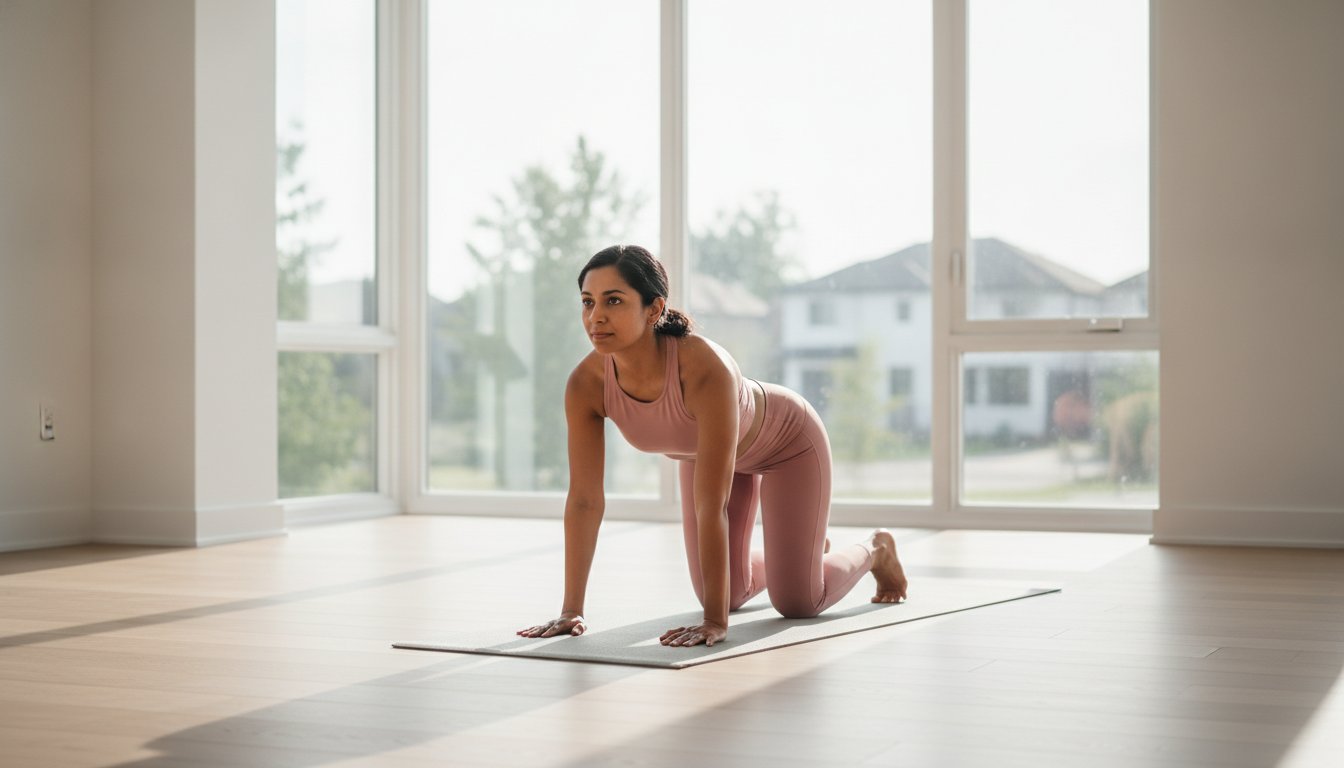
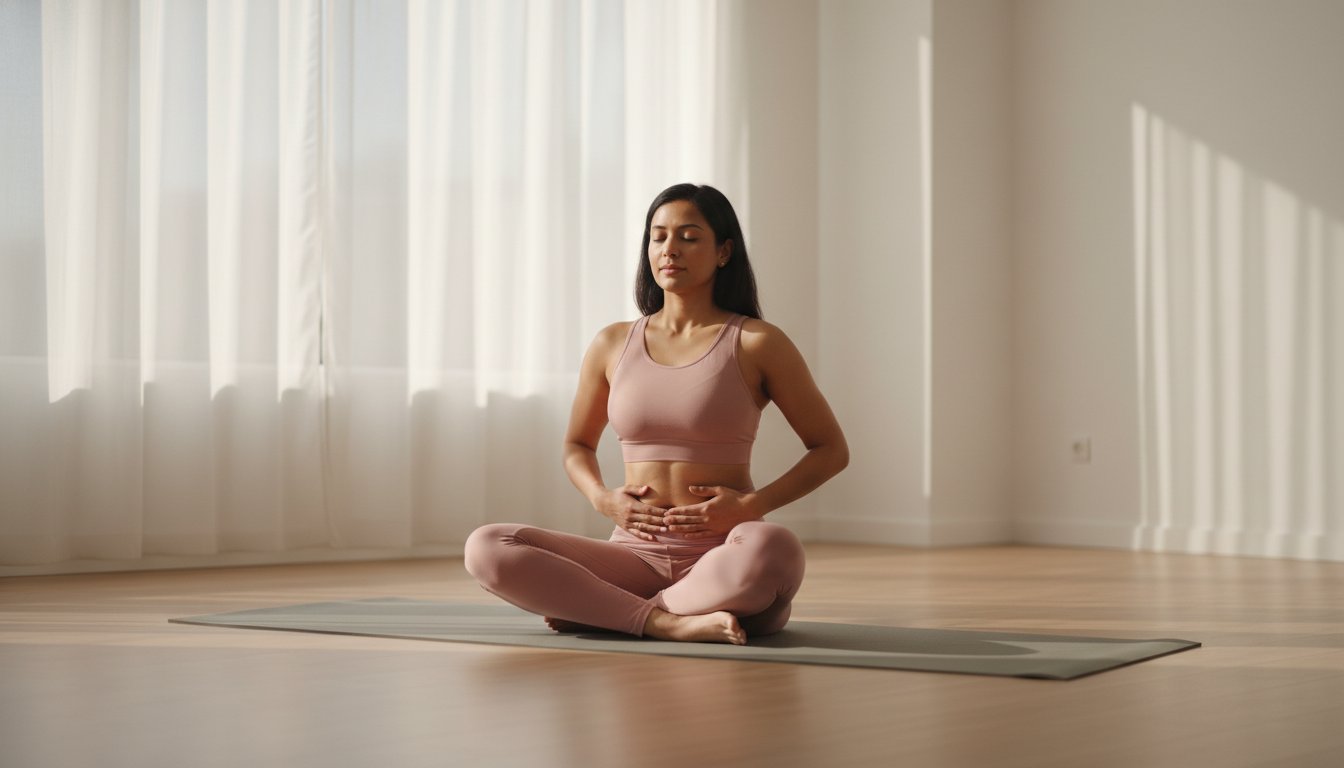
The most vital movement you can perform in these early days is diaphragmatic breathing. This practice gently engages the transverse abdominis without placing stress on your midline. As you inhale, visualize your ribs expanding like an opening flower. As you exhale, imagine a soft, internal "lift" of the pelvic floor. This subtle coordination is a cornerstone of postpartum yoga for pelvic floor health, helping you rebuild stability from the inside out. You can link this breath to very simple movements, such as a seated cat-cow, to begin waking up the spine with grace and intention.
Restorative Poses for New Mothers
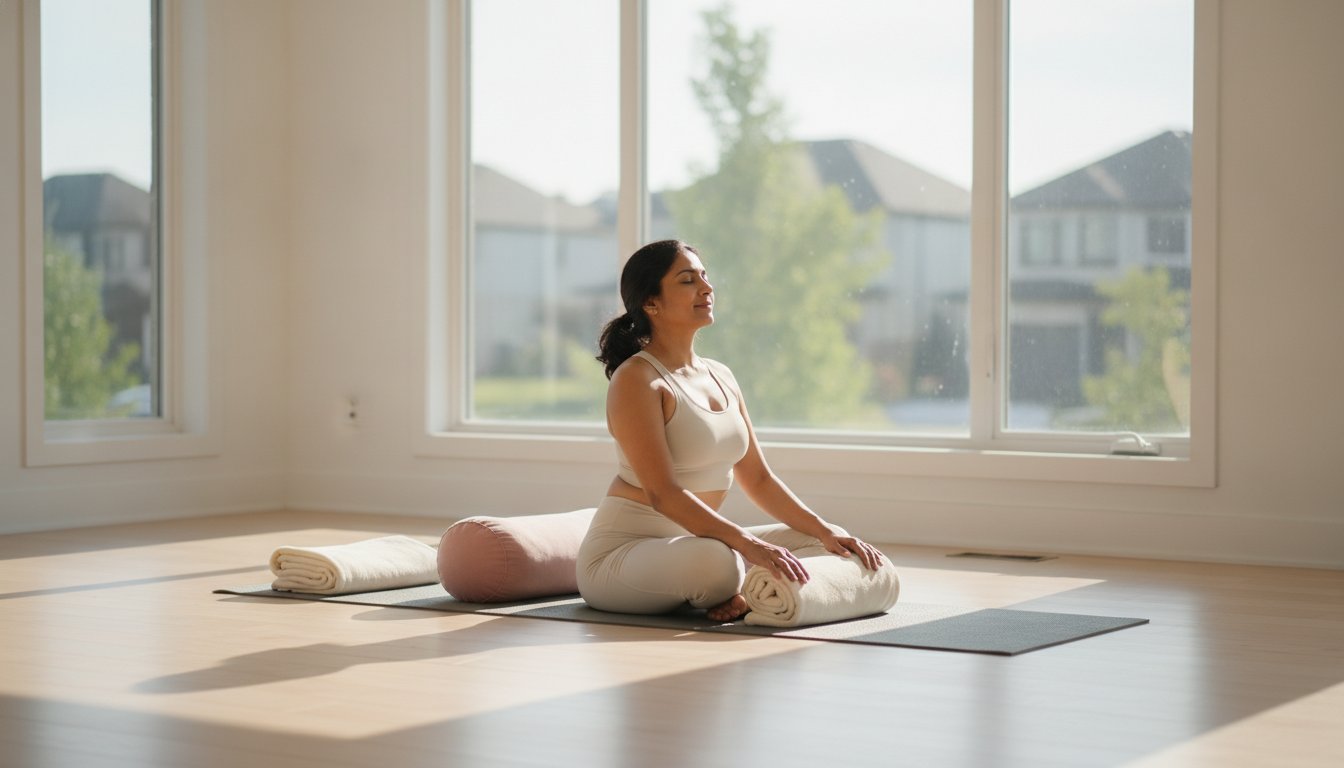
To counteract the "nursing hunch" and the inevitable tension in your shoulders, focus on gentle chest openers. A supported bridge pose, using a block or firm pillow under the sacrum, can also encourage pelvic drainage and provide a sense of lightness. These poses are designed to lower your heart rate and invite deep rest. Never underestimate the power of a long, supported Savasana (corpse pose). It allows your body to integrate the healing you've done and gives you a meaningful pause in an otherwise busy day. If you feel unsure about these movements, a Private Yoga Session can provide the expert, nurturing guidance needed to ensure your practice is perfectly aligned with your body's unique needs as you decide when to start postpartum yoga.
The Yoga House Canada Approach: A Nurturing Sanctuary in Vaughan
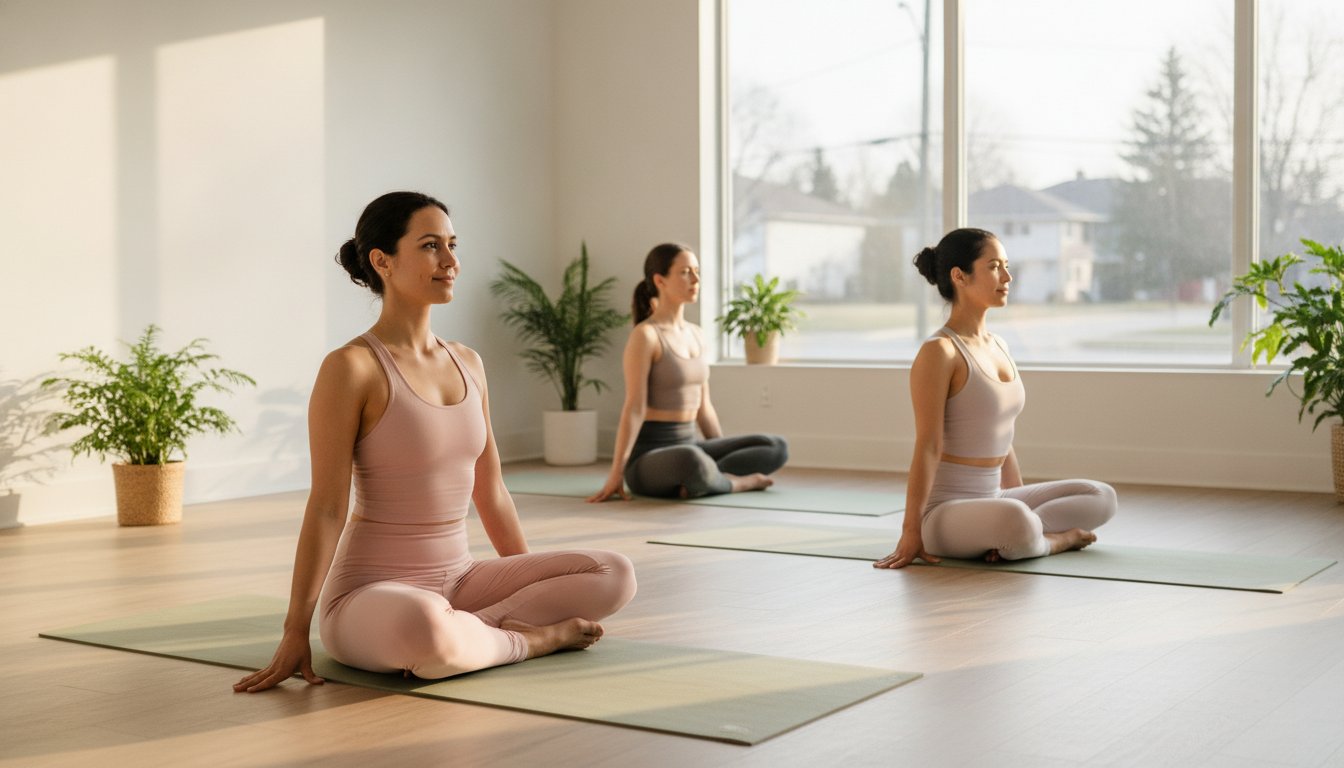
At Yoga House Canada, we believe your return to movement should feel like coming home to yourself. Deciding when to start postpartum yoga is a transition that deserves more than a crowded room or a generic sequence. Our Vaughan boutique studio is designed as a sanctuary; a place where your physical healing, emotional safety, and personal connection are the only priorities. By offering strictly Private Yoga Session and Semi-Private Yoga Session options, which are limited to a maximum of three participants, we ensure that your practice is never a source of stress or comparison. This intimate, women-only environment allows for a level of vulnerability and depth that is simply not possible in a traditional gym setting.
This focused setting is particularly vital when addressing postpartum yoga for diastasis recti. Without the distraction of a large group, we can focus on the minute details of your alignment, the depth of your breath, and the integrity of your core. We integrate Meditation and Sound Healing into every session to support your nervous system, which is often overtaxed in the early months of parenthood, allowing you to move through this cycle with a sense of internal peace, stability, and grace. Our approach is unhurried and intentional, mirroring the slow-paced nature of the healing process itself.
Why Specialized Instruction Matters
Large, co-ed public classes often fail to account for the unique anatomy of the fourth trimester. When you work with a nurturing specialist at Yoga House Canada, every pose is modified to respect your specific delivery story and recovery stage. This tailored approach helps you avoid the comparison trap where you might feel pressured to match the pace of others, and ensures your body is always protected. A teacher who understands the delicate rhythms of postpartum health can guide you through the why before the how, building a foundation of trust that allows you to truly let go and heal.
Creating Your Recovery Sanctuary
In a private postpartum yoga in Vaughan session, the atmosphere is quiet, grounding, and deeply supportive. You can expect a combination of gentle movement, profound emotional support, and restorative sound therapy. This holistic blend is designed to lower your heart rate and ground your spirit, providing a necessary pause in your day. To begin your journey, we invite you to complete our inquiry form to book a gentle consultation. This low-pressure first step allows us to understand your unique needs and help you determine exactly when to start postpartum yoga in a way that feels safe and entirely right for your body.
Embracing Your Personal Path to Wellness
Your journey back to movement is a sacred transition that requires patience, self-compassion, and a deep respect for your body's unique healing rhythm. Recovery is not a linear race but a series of intentional pauses designed to restore your internal balance. Whether you are navigating the early weeks of breathwork or moving toward more active poses, remember that your body knows the way. Understanding when to start postpartum yoga is ultimately about trusting your internal wisdom while seeking the specialized expertise your pelvic health deserves.
At our intimate Vaughan studio, we offer a sanctuary where you can explore this path without the noise or comparison of large classes. Our specialized expertise in women's health ensures that every session is tailored to your specific delivery story, incorporating integrated sound healing to regulate your nervous system. If you feel ready to honour your body's needs in a supportive, private environment, you can book your private postpartum sanctuary session in Vaughan to begin your gentle return to centre. You have given so much of yourself to another; now it's time to allow yourself to be nurtured. We look forward to holding space for your recovery.
Common Questions About Your Postpartum Journey
Can I start yoga 2 weeks postpartum if I feel fine?
While you may feel physically energized, your internal tissues are still in a phase of deep protection and restructuring. At two weeks, it is best to focus on gentle breathwork and meditation rather than physical poses. Your body is navigating a significant transition; rushing back to the mat can increase the risk of injury or prolonged bleeding. Honour this period of quietude as a foundation for your future strength and stability.
Is it safe to do yoga before my 6-week checkup?
Yes, provided your practice is limited to restorative rest, gentle pranayama, and mindful meditation. These elements are essential for regulating your nervous system during the fourth trimester. However, you should avoid any weight-bearing or core-intensive poses until your healthcare provider offers clearance. Determining when to start postpartum yoga in its physical form requires patience and a clear understanding of your medical recovery progress and healing rhythm.
How often should I practice postpartum yoga in the beginning?
Consistency is more valuable than duration during your early recovery. Aim for short, ten-minute sessions of gentle stretching or breathwork three to four times a week. This unhurried pace allows you to monitor how your body responds to movement without causing overexertion. As your energy stabilizes and your physical strength returns, you can slowly increase the frequency and length of your practice based on your unique needs and daily capacity.
What yoga poses should I avoid after having a baby?
You should generally avoid deep abdominal twists, full inversions, and intensive core exercises like planks or boat pose during the first few months. These movements can place undue stress on the abdominal midline and the pelvic floor. Poses that require deep hip opening should also be approached with caution due to the lingering effects of relaxin. Focus instead on chest openers and gentle spinal movements that encourage internal stability, peace, and grace.
How do I know if I have diastasis recti and can I still do yoga?
Diastasis recti often presents as a visible ridge or "doming" along the centre of your stomach during movement. If you notice this separation, you can still enjoy yoga, but your practice must be carefully modified to avoid straining the connective tissue. Specialized Postpartum Yoga sessions are designed to help you rebuild core integrity safely. Working with a guide ensures every movement supports the "knitting" of your abdominal wall rather than widening the gap.
Can I bring my baby to a private postpartum yoga session?
Our private studio is a welcoming sanctuary where your baby is always invited to join you. These sessions are designed to be fluid and unhurried, allowing for pauses to nurse, soothe, or simply hold your little one. Integrating your baby into the space helps regulate both of your nervous systems through proximity and calm. It transforms your practice into a shared experience of peace, bonding, and restorative healing within a protected, women-only environment.
Is yoga helpful for postpartum anxiety and depression?
Yoga is a profound tool for emotional regulation, helping to lower blood pressure and reduce cortisol levels during times of stress. By focusing on the breath and the present moment, you can find a sense of stability amidst the waves of new motherhood. The combination of gentle movement and Sound Healing provides an emotional anchor, offering you a safe space to process transitions and reclaim a sense of internal peace, clarity, and grace.
What is the difference between prenatal and postpartum yoga?
Prenatal yoga focuses on opening the body and preparing the pelvic bowl for the journey of birth. In contrast, postpartum yoga is a practice of "closing" and reintegrating. It prioritizes stability, pelvic floor recovery, and the gentle rebuilding of core strength. While both practices honour the cycles of womanhood, the postpartum approach is specifically designed to support the unique anatomical and hormonal shifts that occur after your baby has arrived and your recovery begins.