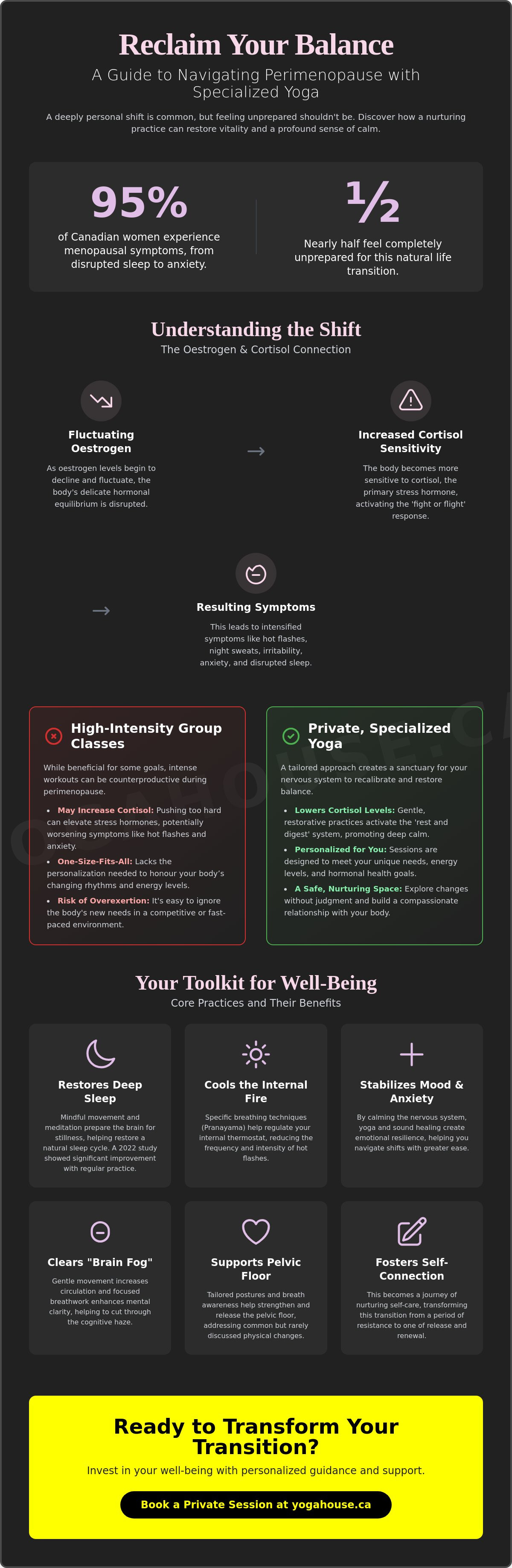
Did you know that 95 percent of Canadian women experience menopausal symptoms, yet nearly half of us feel completely unprepared for this transition? It is a deeply personal shift that often arrives with disrupted sleep, sudden spikes in anxiety, and a sense of disconnection from a changing body. You aren't alone if you feel like your internal thermostat and your emotions have taken on a life of their own. It is natural to seek a space where you feel seen, heard, and supported during this time of life.
This guide explores how specialized, private yoga for perimenopause symptoms can help you reclaim your vitality and restore a profound sense of calm. By focusing on your unique needs, these practices offer a way to reduce the frequency of hot flashes while improving your emotional regulation. We will preview how a combination of restorative movement, sound healing, and meditation can help you find your centre and transform this experience into a journey of nurturing self-care and hormonal balance.
Key Takeaways
- Understand how fluctuating hormone levels trigger the nervous system's stress response and why gentle movement provides a necessary anchor.
- Discover how specialized yoga for perimenopause symptoms improves sleep quality and helps manage emotional shifts like anxiety or irritability.
- Learn why private sessions create a safer environment for hormonal health than high intensity group classes that may increase cortisol.
- Explore the restorative power of sound healing and meditation to quiet the mind and settle the body's internal rhythms.
- Realize how a personalized, nurturing approach can transform this life transition into a period of deep self care and renewed balance.
Understanding the Shift: Why Yoga for Perimenopause Symptoms Works
Perimenopause is a natural, yet often turbulent, transition that signals a significant shift in the female body's internal landscape. It isn't merely a destination but a bridge between reproductive years and a new stage of wisdom. Understanding Perimenopause involves recognizing that as oestrogen levels begin to fluctuate, the body's delicate equilibrium is often disrupted. This hormonal volatility can leave you feeling as though your "fight or flight" response is permanently switched on, leading to a state of heightened sensitivity and physical unrest.
By integrating yoga for perimenopause symptoms into your daily life, you offer your endocrine system a much-needed anchor. Mindful movement acts as a stabilizer, helping to regulate the complex interplay of hormones through intentional breath and gentle postures. It's about learning to honour your body’s changing rhythms and energy levels, rather than forcing yourself into a rigid fitness routine that no longer serves your spirit.
The Cortisol and Oestrogen Connection
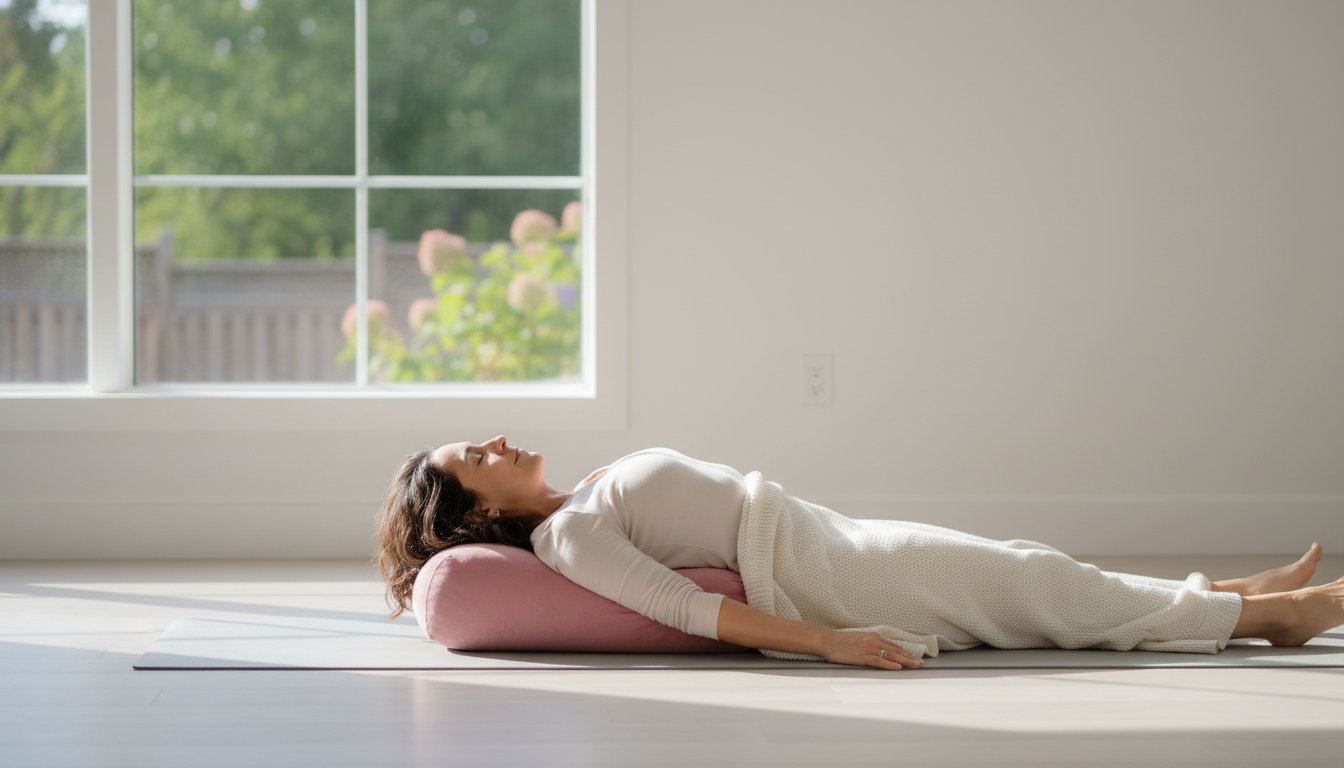
When oestrogen levels drop, your body becomes more sensitive to cortisol, the primary stress hormone. This sensitivity often manifests as intensified night sweats or sudden bursts of irritability that feel impossible to control. Restorative yoga practices are designed to lower these cortisol levels, creating a deep sense of internal safety that allows your system to reset. The parasympathetic nervous system serves as the body's natural braking system, essential for restoring hormonal health and promoting a state of quietude.
Moving from Resistance to Release
Many women find themselves instinctively fighting the physical symptoms of aging, viewing these changes as something to be "fixed" or overcome. However, true healing begins when we move from a place of resistance to one of release. This stage of life offers a unique opportunity for womb healing and pelvic floor awareness, allowing you to reconnect with the centre of your feminine power. By choosing nurturing practices, you realize the body's new needs and create space for a more compassionate relationship with yourself.
- Softening the breath to soothe the nervous system.
- Opening the hips to release stored emotional tension.
- Grounding the feet to find stability amidst the flux.
Yoga for perimenopause symptoms isn't about achieving a perfect pose; it's about finding a sanctuary within your own skin. It's a time to listen closely to the whispers of your body and respond with the gentleness you deserve.
Key Benefits of a Personalized Yoga Practice for Hormonal Health
A personalized approach to movement offers more than just physical activity; it provides a sanctuary for your nervous system to recalibrate. When you engage in yoga for perimenopause symptoms, you're investing in a toolkit that addresses the specific physiological shifts of your 40s and 50s. One of the most immediate rewards is the restoration of deep, restorative rest. Research from a 2022 randomized controlled trial indicated that practicing yoga for 75 minutes three times a week significantly improved sleep quality for women in this age bracket. By preparing the brain for stillness, you can move away from the frustration of disrupted nights and toward a more rhythmic sleep cycle.
Beyond rest, a tailored practice helps clear the "brain fog" that often accompanies fluctuating hormones. It strengthens the pelvic floor, addressing physical changes that are common yet rarely discussed with enough compassion. Most importantly, it fosters a deeper connection to your changing physical self. In a safe, private environment, you can explore these transitions without judgment, learning to view your body as a partner rather than an adversary. If you feel ready to begin this journey, booking a Private Yoga Session can provide the individualized attention your body craves during this transition.
Cooling the Internal Fire
Hot flashes can feel like an uninvited guest, but specific breathing techniques, or Pranayama, offer a way to regulate your internal thermostat. By focusing on "soothing" rather than "stretching," you can learn to catch the rising heat before it reaches peak intensity. Gentle, cooling breaths help settle the system and reduce the suddenness of temperature spikes. Yoga for Menopause Symptoms often emphasizes these subtle shifts in awareness to help manage the intensity of vasomotor symptoms. It is a practice of listening to the body's whispers before they become shouts.
Stabilizing Mood and Anxiety
Sudden mood shifts or spikes in irritability require an anchor. Meditative movement allows you to "take a pause," creating a necessary gap between a feeling and a reaction. This intentional slowing down helps reset the nervous system and provides a sense of emotional regulation that carries over into your daily life. This grounding effect is a cornerstone of yoga for women’s health issues, where the focus remains on holistic healing and internal balance. By moving with intention, you reclaim control over your emotional landscape and find peace amidst the turbulence.
The Sanctuary Advantage: Why Private Sessions Outperform Group Classes
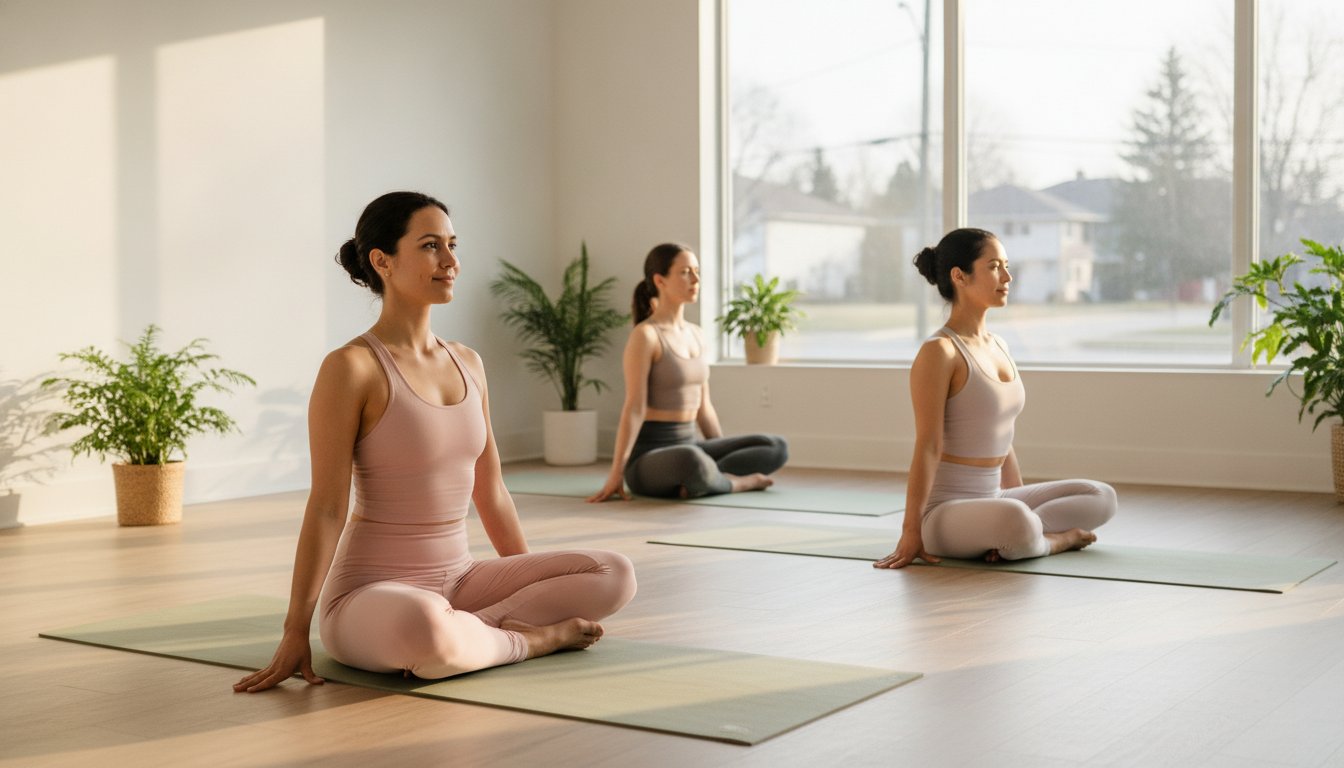
Choosing the right environment for your practice is just as vital as the movements themselves. While many public studios focus on high-energy flows and athletic achievement, these settings can inadvertently spike cortisol levels. For a woman navigating the delicate shifts of midlife, a loud or competitive atmosphere often triggers the "fight or flight" response rather than calming it. A private sanctuary offers a necessary alternative, providing a space where you can express your symptoms freely without the pressure to perform. This intimate setting prioritizes emotional safety, allowing for a personal connection that is often missing in a crowded room.
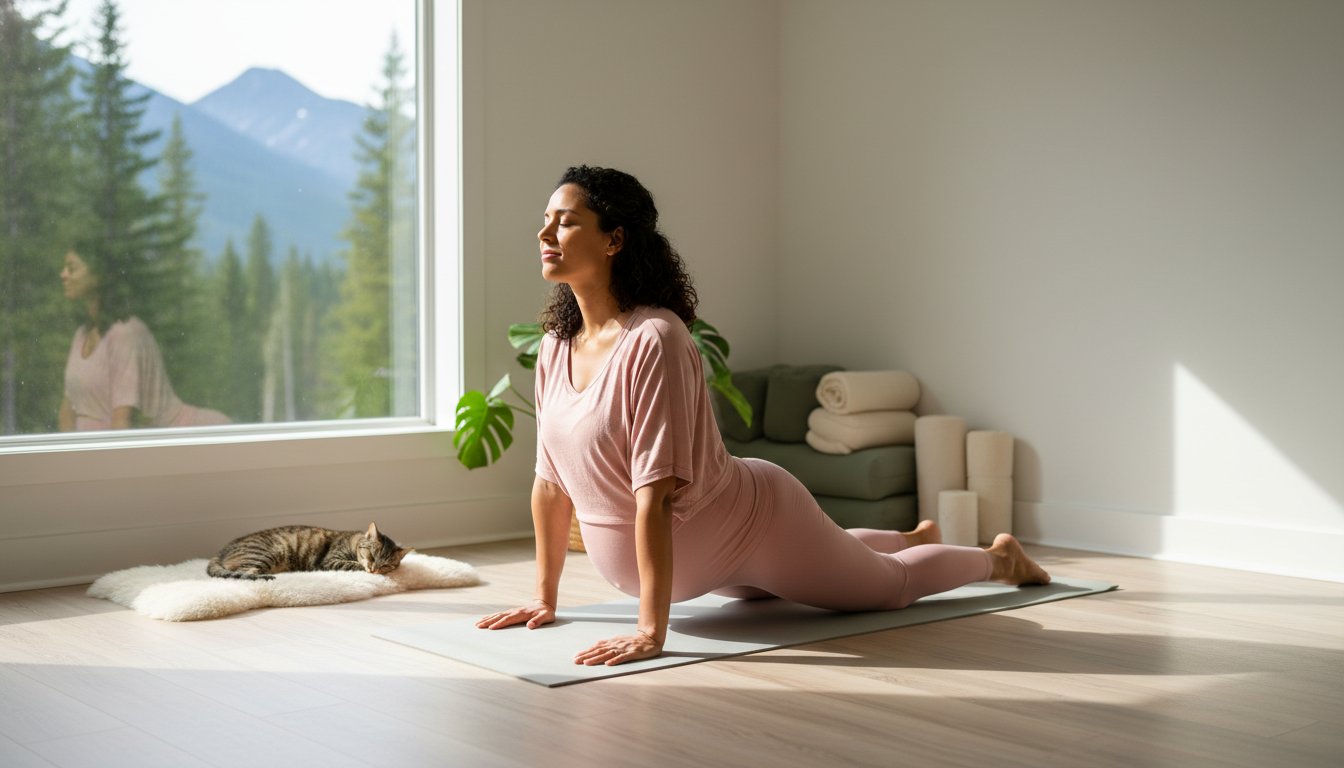
When you opt for a one-on-one environment, the practice becomes a collaboration between you and your guide. If you arrive feeling depleted by joint pain or heavy with fatigue, the session adapts to meet you exactly where you are. There is no need to push through discomfort to keep up with a group. Instead, you receive specific, gentle modifications that honour your body's current capacity. This tailored approach ensures that your time on the mat serves as a restorative pause, helping you manage yoga for perimenopause symptoms with grace and intention.
Tailoring the Practice to Your Daily Symptoms
Every day of this transition feels different. You might wake up feeling vibrant one morning, only to find yourself struggling with brain fog or physical exhaustion the next. A private yoga session in Vaughan offers the unique flexibility to pivot the entire practice based on your sleep the night before. This soft-sell approach to wellness puts the individual first, ensuring the "why" of every movement is explained with patience. It is a methodical way to build trust, allowing you to settle into a rhythm that feels both safe and supportive.
Avoiding the Comparison Trap
It's natural to feel a sense of anxiety when trying to match the pace of younger or more athletic students in a public class. This comparison trap can lead to frustration, pulling you away from the meditative benefits of the practice. In a dedicated women’s wellness centre, the focus remains entirely on your internal experience. By removing the mirrors and the crowds, you can focus on the restorative aspects of yoga for perimenopause symptoms. This serene and empathetic atmosphere allows you to realize your own needs without judgment, fostering a sense of peace that stays with you long after you leave the studio.
Integrating Sound Healing and Meditation for Deep Regulation
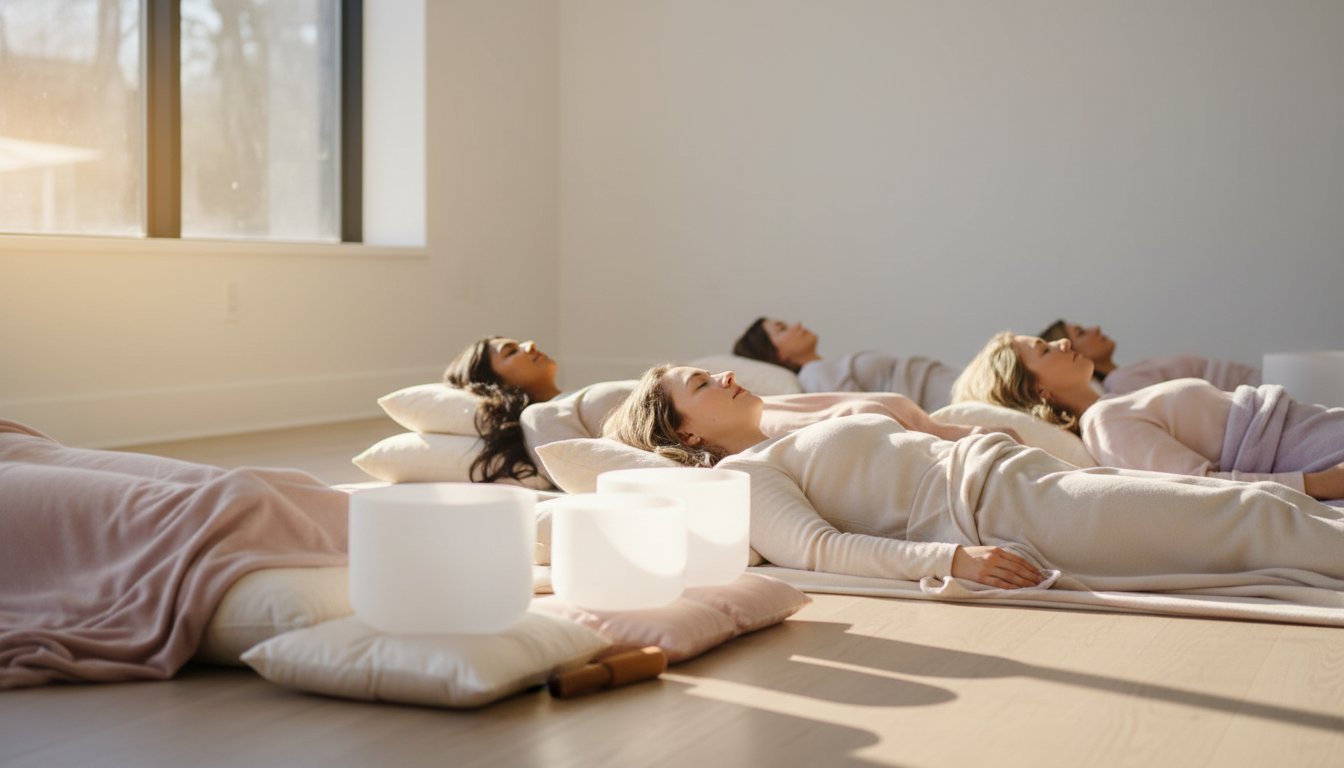
While the physical postures of yoga for perimenopause symptoms provide a necessary foundation, true regulation often requires a deeper, sensory layer of care. Sound healing serves as a powerful tool for vibrational medicine, offering a way to settle the body when the mind feels scattered. By incorporating the resonance of crystal bowls or a gentle sound bath into your practice, you create a synergy that helps bypass the "chattering mind." This auditory layer of meditation allows you to drop into a state of rest that movement alone might not reach. It is a methodical way to quiet the internal noise that often accompanies hormonal transitions.
Restorative poses combined with sound create an environment where the nervous system can finally let go. You aren't just stretching muscles; you're inviting your entire being to resonate with a frequency of peace. This holistic approach addresses the "fight or flight" response mentioned earlier, providing a sanctuary for emotional repair. If you feel drawn to the soothing resonance of crystal bowls, exploring Sound Healing as part of your wellness journey can offer the deep regulation your body deserves.
Vibrational Medicine for Hormonal Balance
Sound frequencies act as a gentle massage for the internal system, helping to settle a restless heart or an overactive mind. During a wellness session, the sensory experience of a sound bath envelops you, providing a grounding frequency that encourages your cells to find their natural rhythm. This practice is particularly effective for nervous system regulation, as the vibrations help tone the vagus nerve and signal to the body that it is safe to relax. It is a profound way to address the internal turbulence that often accompanies hormonal shifts, moving beyond the surface to find stability.
Meditation for the Perimenopausal Mind
The experience of "brain fog" or sudden anxiety can leave you feeling untethered, but meditation offers simple techniques to reclaim focused awareness. Through guided imagery and mindful presence, you can find a sense of internal peace that feels restorative rather than exhausting. It is helpful to realize that meditation is a form of active recovery, not another task to be mastered. By dedicating time to stillness, you provide your brain with the space it needs to process the changes occurring within. This intentional pause helps you manage sudden mood shifts with greater compassion and clarity.
- Using focused breath to anchor the mind during moments of irritability.
- Visualizing a calm, cooling centre to manage the onset of a hot flash.
- Practising non-judgmental awareness to reconnect with your changing body.
By integrating these meditative tools, you transform your practice into a comprehensive shield against the daily stresses of perimenopause. It is a journey toward becoming a sanctuary for yourself, where every breath and every sound serves your well-being.
Beginning Your Journey: Women’s Wellness in Vaughan
Stepping into a new stage of life requires a space that mirrors your need for quietude and depth. Perimenopause is a significant life cycle, one that asks you to slow down and listen to the subtle shifts within your body. By embracing a specialized approach, you move away from the noise of generic fitness and toward a practice that truly understands your needs. Choosing yoga for perimenopause symptoms is an act of profound self-kindness, allowing you to reclaim your sense of balance and internal calm.
This transition isn't something to be managed with force; it's a journey to be navigated with patience and expert care. A sanctuary provides the protective environment needed to explore these changes safely. Whether you seek to soothe night sweats, manage sudden anxiety, or find emotional stability, a personalized program ensures that every movement serves your long-term wellness. It is about creating a meaningful pause in your day to honour the woman you are becoming.
A Nurturing Space for Every Stage
Our studio is intentionally designed as a sanctuary rather than a clinical or purely athletic environment. We prioritize emotional safety and personal connection, ensuring that you feel seen and cared for from the moment you arrive. For those who prefer a small, supportive community, we offer semi-private yoga in Vaughan. These sessions provide an intimate setting where you can share your journey with others while still receiving the specialized guidance your body requires. Every practice is led with the gentleness of a trusted guide, focusing on restorative health and hormonal regulation.
Your Next Steps to Sanctuary
Beginning your journey toward hormonal balance is a simple, low-pressure process that starts with a conversation. We invite you to reach out for a private consultation to discuss your specific needs and how yoga for perimenopause symptoms can support your goals. This initial inquiry is a chance to ensure a personal fit, prioritizing your comfort and well-being above all else. Taking this first step is an invitation to prioritize your health and your peace during this sacred transition.
There is a unique beauty in the feminine transition, a shedding of the old to make room for a more grounded and wise version of yourself. As you navigate these cycles, remember that you deserve a space that offers warmth, hospitality, and peace. We are here to act as guardians of that space, leading you toward a state of ease and readiness for whatever comes next. This is your time to breathe, to settle, and to realize the strength that resides in your stillness.
Embracing Your Path to Internal Peace
Navigating the shifts of midlife doesn't have to be a journey you take alone or in discomfort. We've explored how choosing specialized yoga for perimenopause symptoms allows you to quiet the "fight or flight" response and reclaim your nights from the disruption of hot flashes. This transition is an invitation to move away from high-stress environments and toward a practice that honours your body’s unique rhythms. Whether through the resonance of crystal bowls or the stillness of a tailored pose, you now have the tools to restore your internal sense of calm.
At Yoga House Canada, we specialize in Women’s Health Yoga, offering an environment dedicated entirely to your emotional and physical safety. Our space provides only private and semi-private sessions, ensuring your practice remains an intimate sanctuary free from the comparison trap of large classes. We invite you to book your private sanctuary session at Yoga House Canada and discover how integrated sound healing and meditation can deepen your regulation. This is your time to settle into the grace of your own transition and find the stability you deserve.
Frequently Asked Questions
Can yoga really help with hot flashes?
Yes, yoga can be a highly effective tool for managing the intensity and frequency of hot flashes. By focusing on cooling pranayama, or breathing techniques, and restorative postures, you help regulate your body's internal thermostat. These practices lower the stress hormones that often trigger sudden temperature spikes. While research is mixed, many practitioners find that a consistent, gentle routine helps them feel more in control of their body's responses during these episodes.
I have never done yoga before; is it safe to start during perimenopause?
It is absolutely safe and often encouraged to begin your practice during this significant life transition. Starting in a private setting allows you to move at your own pace without the pressure of a group environment. Your guide will tailor every movement to your current physical state, ensuring that you feel supported and secure. This stage of life is a perfect time to embrace a new way of listening to your body's needs.
How often should I practice yoga to see an improvement in my symptoms?
Consistency is the foundation of seeing meaningful changes in your hormonal health. A 2022 study showed that practicing for 75 minutes three times a week for 20 weeks significantly improved sleep quality for women in midlife. However, even a shorter, twice-weekly practice can help settle your nervous system and provide relief. The goal is to create a sustainable rhythm that feels like a gift to yourself rather than another chore on your list.
What is the difference between regular yoga and yoga for women’s health?
Women’s Health Yoga focuses specifically on the physiological and emotional needs of the female body through various life stages. Unlike a general fitness class, this specialized practice prioritizes hormonal balance, pelvic floor health, and nervous system regulation. It uses specific sequences designed to support the endocrine system during transitions like perimenopause. The environment is also more intentional, focusing on emotional safety and a deep, nurturing connection to the feminine self.
Do I need special equipment for a private session in Vaughan?
You don't need to bring any special equipment to your private session at our sanctuary. We provide high-quality mats, bolsters, blankets, and blocks to ensure your complete comfort throughout the practice. We recommend wearing soft, breathable clothing that allows you to move freely and feel at ease. The focus of our time together is on your relaxation and restoration, so we take care of all the logistical details for you.
Is sound healing safe for everyone during perimenopause?
Sound healing is a gentle and safe modality for most women navigating the shifts of midlife. The vibrations from crystal bowls help settle the nervous system and encourage a state of deep relaxation. However, if you have a pacemaker, certain metal implants, or suffer from sound-sensitive epilepsy, it's best to consult with your healthcare provider first. We always prioritize your safety and will adjust the session to ensure you feel completely secure and comfortable.
Can yoga help with the weight gain associated with perimenopause?
Yoga supports a healthy weight by addressing the underlying hormonal triggers of midlife changes. While it isn't a high-intensity workout, it helps lower cortisol levels, which are often linked to abdominal weight gain. By improving your sleep quality and reducing stress, you also support a more balanced metabolism. Practicing yoga for perimenopause symptoms encourages you to nourish your body with more intention and care, fostering a healthier relationship with your changing self.
How does yoga help with perimenopausal anxiety compared to other exercises?
Yoga addresses anxiety by directly engaging the parasympathetic nervous system through mindful presence. Unlike high-impact exercises that can sometimes increase stress hormones, yoga for perimenopause symptoms uses breath to signal safety to the brain. This practice helps you develop a "witness" perspective, allowing you to observe sudden mood shifts without being overwhelmed by them. It provides a grounding anchor that helps you navigate emotional turbulence with a greater sense of internal peace.